
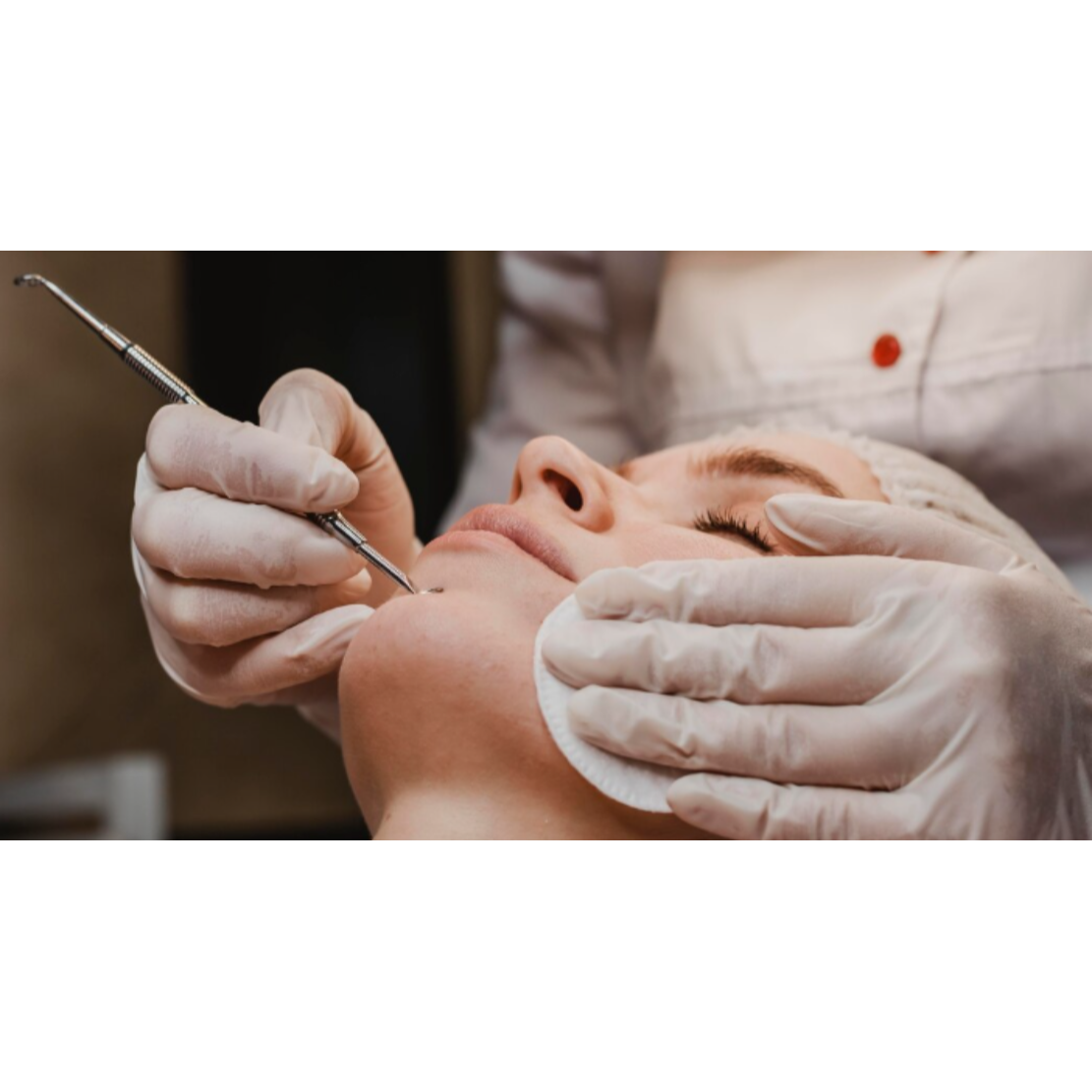
Once active acne settles, the remaining marks and uneven texture can become the next concern. However, Acne Scars Treatment is rarely a one-procedure solution because acne can leave several different types of scars.
For people in Mahalunge and nearby Pune areas, understanding the scar type before selecting treatment can prevent unrealistic expectations and unnecessary procedures.
First, Are They Marks or True Scars?
This distinction matters.
Flat brown or reddish areas left after acne are commonly described as acne marks. True scars involve structural changes in the skin and may appear depressed, narrow and deep, broad with sloping edges, or raised.
A person can also have several scar types at the same time.
That is why a treatment that works well for pigmentation may have limited effect on deeper textural scars.
Why Scar Classification Matters
Depressed acne scars are often broadly described using patterns such as ice-pick, boxcar, and rolling scars. Each has different structural characteristics.
A dermatologist may evaluate:
- Scar depth
- Scar shape
- Skin type
- Active acne
- Existing pigmentation
- Tendency to develop raised scars
- Previous procedures
- Expected downtime
Treatment planning follows this assessment.
Can One Procedure Treat Everything?
Usually, scar management is individualized. Depending on the scar pattern and clinical suitability, dermatologists may consider different procedural approaches or combinations performed over time.
Chemical peels may be useful for selected superficial concerns but are not equivalent to treatments designed for deeper structural scarring. Likewise, laser-based procedures are not one single treatment; different technologies have different indications.
Patients should therefore be cautious of selecting a procedure purely because it is trending.
Set Realistic Expectations
Scar treatment generally aims to improve appearance rather than promise perfectly texture-free skin.
The number of sessions and degree of improvement vary according to scar type, severity, skin response, treatment selected, and adherence to aftercare. Temporary redness, sensitivity, peeling, or other downtime may occur with certain procedures.
Sun protection is especially relevant because post-procedure pigmentation can be a concern in darker skin tones.
Control Active Acne Too
Treating scars while new inflammatory acne continues to develop can become a frustrating cycle. Active disease may need to be brought under reasonable control before or alongside a scar-management plan.
Dr Shruti Dewang evaluates acne and post-acne concerns for patients from Mahalunge and surrounding Pune, Maharashtra. Assessment before treatment helps distinguish pigmentation from structural scars and identify which scar patterns are present.
When comparing acne scar options, ask why a specific procedure is being recommended for your particular scar type. A treatment plan built around the actual structure of the scars is more meaningful than choosing a generic “scar removal” package.
Keywords