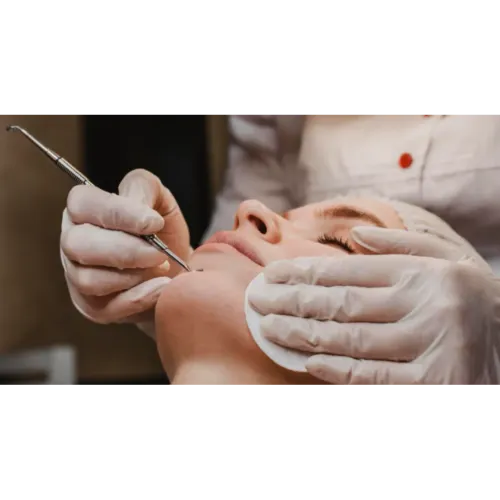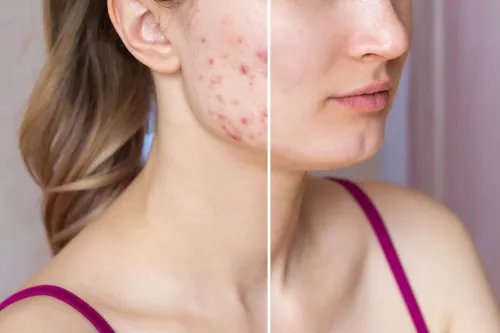
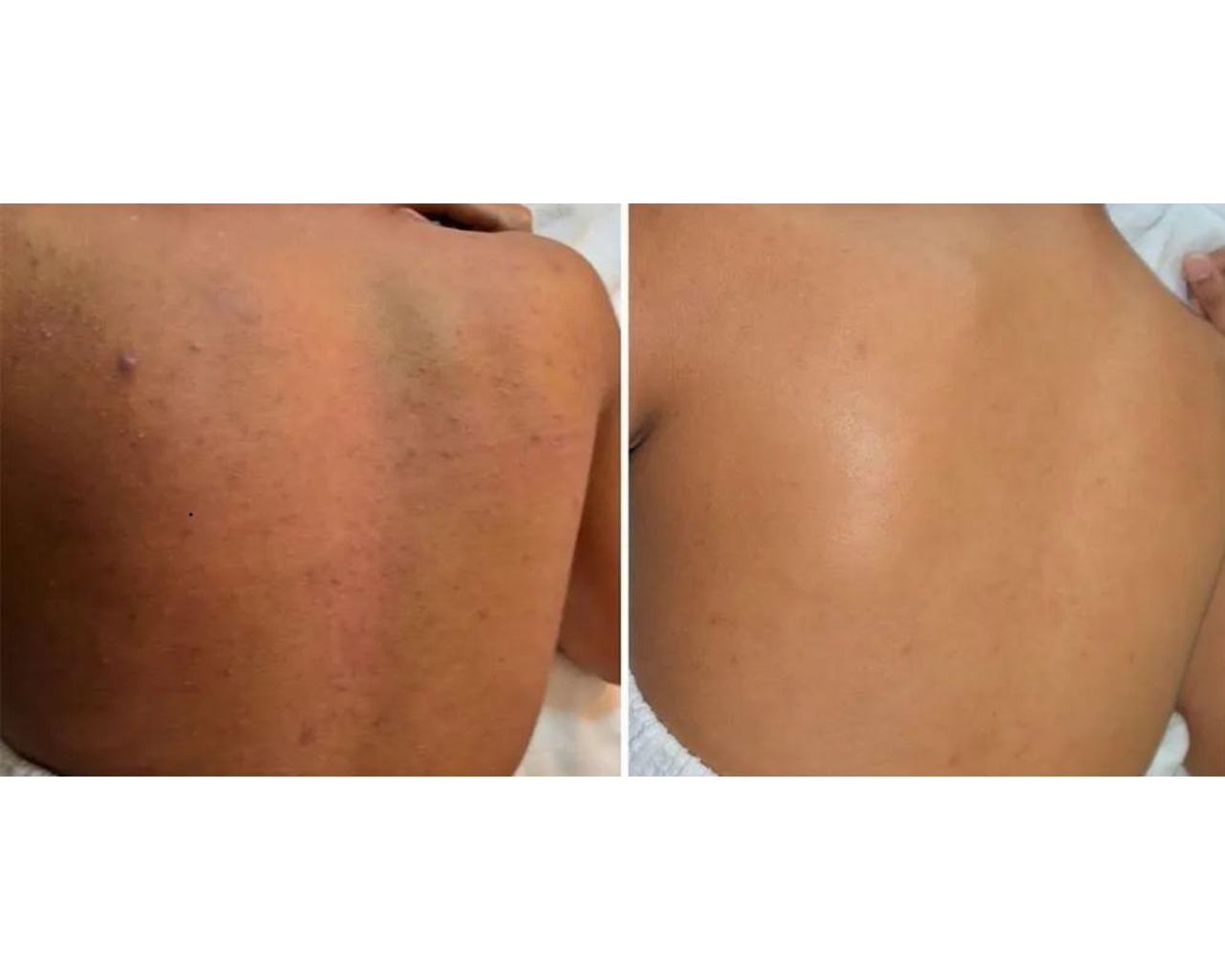
A Chemical Peel is a dermatological procedure in which a selected chemical solution is applied to the skin to create controlled exfoliation. Depending on the formulation and treatment depth, peels may be considered for selected concerns involving acne, pigmentation, texture, or photo-related skin changes.
For patients in Wakad and the wider Pune region, the most important question is not whether chemical peels are popular. It is whether a particular peel is suitable for the individual skin concern.
What Happens During a Chemical Peel?
Before treatment, the skin is evaluated and prepared according to the peel being considered. The solution is then applied for a controlled period or according to a specific protocol.
Peels differ substantially in ingredients, strength, depth, and purpose. A peel appropriate for one patient may not be appropriate for another.
This is why choosing a peel based only on its name or concentration can be misleading.
Who May Consider a Peel?
Depending on clinical assessment, chemical peels may be used as part of treatment for selected cases involving:
- Acne-prone skin
- Certain superficial pigmentation concerns
- Uneven-looking skin tone
- Selected post-acne marks
- Rough or dull-looking texture
They are not suitable for every skin condition, and deeper acne scars generally require a different evaluation.
What Should You Tell the Dermatologist?
Before a peel, mention medications, allergies, current skincare products, recent procedures, tendency toward pigmentation, active infections, pregnancy where relevant, and any history of unusual scarring.
Patients using retinoids, exfoliating acids, or other active products may receive specific instructions about whether they should be temporarily modified.
Aftercare Matters
Depending on the peel, temporary dryness, sensitivity, redness, or visible peeling may occur.
Patients should follow the specific aftercare provided. Common principles can include gentle cleansing, appropriate moisturisation, avoiding unnecessary exfoliation, and consistent sun protection.
Do not pull or scrub peeling skin.
Another common mistake is introducing several strong skincare ingredients immediately after treatment. The skin needs appropriate recovery time.
Is a Stronger Peel Always Better?
No. Treatment intensity should match the skin condition, skin type, desired outcome, and acceptable downtime. More aggressive treatment does not automatically produce a more appropriate result and can increase the possibility of irritation or pigmentation.
Dr Shruti Dewang provides dermatological assessment for people considering chemical peels in Pune, including patients from Wakad and nearby localities. The consultation can help determine whether a peel is suitable, which type may be considered, and what pre- and post-procedure care is necessary.
Chemical peels are most useful when treated as medical-cosmetic procedures requiring correct selection and aftercare, rather than as one-size-fits-all beauty treatments
Keywords