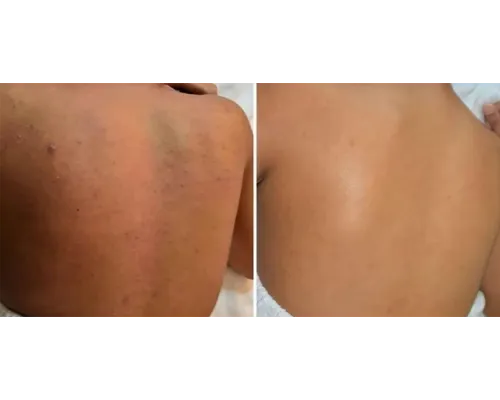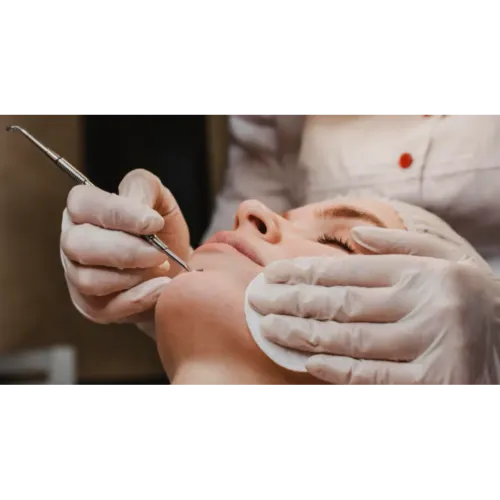
Dark patches that look alike can have very different causes, from melasma and post-inflammatory hyperpigmentation to medication effects, acanthosis nigricans or a lesion that needs prompt examination. By the end, you will know how diagnosis, peel strength, preparation, skin tone, sun protection and alternative treatments should shape the decision.
Key takeaways
- Identify pigmentation type and active inflammation before choosing treatment.
- Match peel strength and ingredients to diagnosis, site and skin response.
- Follow preparation and aftercare instructions to reduce irritation and darkening.
- Compare peels with skincare, prescriptions and procedures before booking.
Identify the type of pigmentation before choosing treatment
Darkening is suitable for cosmetic treatment only after its pattern and cause have been assessed. A skin specialist in Hinjewadi should examine colour, distribution, skin tone, texture and any active inflammation before recommending a peel.
| Pattern | Common possibility | What it suggests |
|---|---|---|
| Symmetrical brown facial patches | Melasma | Hormonal or visible-light triggers; relapse is common |
| Marks after acne, eczema, rashes, waxing or irritation | Post-inflammatory hyperpigmentation | Treat the inflammation first, or a peel can deepen the colour |
| Separate marks on sun-exposed skin | Lentigines or sun spots | Localised sun damage rather than a uniform facial condition |
| Thick, velvety darkening on the neck, underarms or groin | Acanthosis nigricans | Needs assessment for associated metabolic or hormonal causes |
| Diffuse or unusual darkening after a new medicine | Medication-related pigmentation | Review the medicine; do not stop a prescribed drug without advice |
Have the patch examined instead of peeled if it changes, bleeds, crusts, becomes very irregular or enlarges quickly. These features can indicate a condition requiring diagnosis rather than cosmetic lightening.
Bring a complete history to the consultation:
- When the darkening began and whether it followed pregnancy, hormonal changes, tanning, acne, eczema, a rash, waxing or another procedure
- Every new medicine, supplement and topical product
- Previous peels, lasers or episodes of post-inflammatory hyperpigmentation
Before booking chemical peel or other care for pigmentation in Hinjewadi, confirm that diagnosis and medication review are included, not just selection from a peel menu.
Match the peel option to the diagnosis, site and skin response
After diagnosis, choose among chemical peel options by matching the acid to the problem, treatment site and likely skin response—not by selecting the strongest name on a menu.
| Option | Best fit | Key caution |
|---|---|---|
| Glycolic acid | Superficial exfoliation and uneven facial tone | Irritation rises with stronger concentration, lower pH or extra coats |
| Salicylic acid | Oily, acne-prone skin with post-acne marks | Avoid active dermatitis or a damaged skin barrier |
| Lactic acid | A gentler option for sensitive or dry skin | Improvement may require repeated sessions |
| Jessner-type formulation | Clinician-selected combination for specific superficial concerns | The formula and number of coats must be controlled |
Concentration, pH, coats, contact time, skin preparation and the clinician’s endpoint determine the exposure more than the acid name alone. A facial peel is not automatically suitable for a neck, underarm or groin affected by friction, acne or acanthosis nigricans; thicker body skin and the underlying cause need separate planning.
- Repeated superficial sessions usually mean less downtime and lower scarring risk.
- Medium-depth trichloroacetic-acid treatment causes more inflammation and recovery.
- Aggressive treatment can cause burns, prolonged redness and post-inflammatory hyperpigmentation, with higher concern in darker phototypes.
Before booking chemical peel hinjewadi care, ask how the diagnosis and skin response will determine the formula. A stronger peel is not a better peel if inflammation creates darker marks.
Know what happens before, during and after a peel
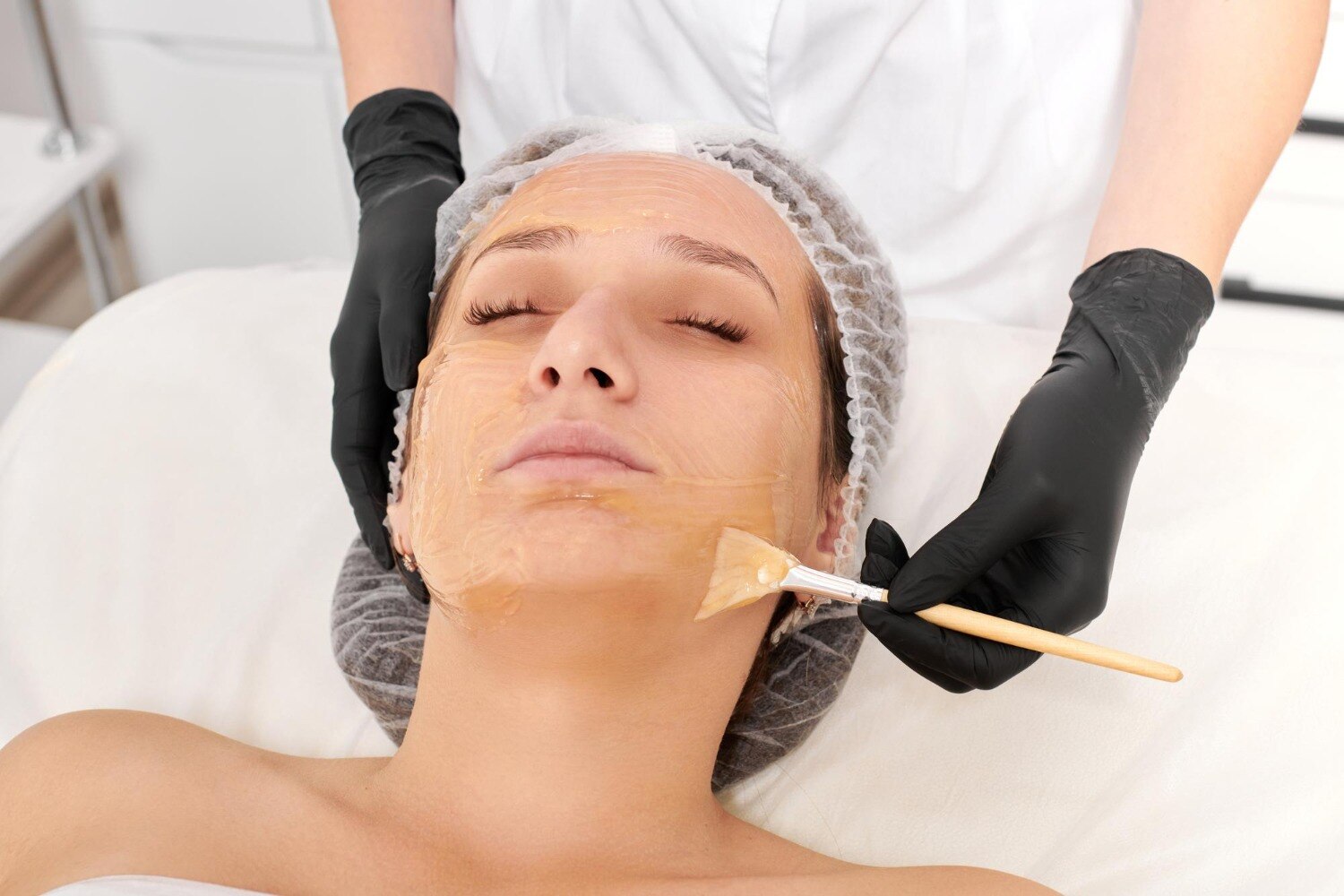
Expect a consultation, skin examination and medication review before treatment. The clinician cleanses the area, applies the chosen peel in controlled coats, watches contact time, then neutralises or removes it when the formulation requires. Mild stinging, warmth, redness, dryness and peeling can occur; intensity depends on concentration and peel depth.
- Report retinoids, isotretinoin, antibiotics, photosensitising medicines, pregnancy, recent procedures, tanning, waxing and all active acne or dermatitis. Stop irritating products only as instructed; do not wax before treatment.
- Postpone an elective peel for active infection, cold sores, open wounds, uncontrolled eczema, recent sunburn, poor wound healing, or an irritated treatment area. Pregnancy changes available choices: avoid topical retinoids, and hydroquinone is commonly avoided; confirm alternatives with your clinician.
- Follow written aftercare for the first days: use only recommended cleanser, moisturiser and sunscreen, avoid picking peeling skin and limit heat and sun exposure. Do not add acids or retinoids unless cleared.
- Expect a series of superficial treatments spaced several weeks apart, not a stronger peel after one slow result. Judge progress through consistent photographs and skin tolerance.
Blistering, worsening pain, pus, fever, rapidly increasing swelling or sharply demarcated darkening needs prompt clinical review; do not call it purging. Before booking pigmentation treatment in Hinjewadi, ask for the exact aftercare plan and the expected number and spacing of sessions.
Compare a peel with skincare, prescriptions and other procedures
Daily broad-spectrum SPF 30 or higher is usually the best next step for melasma and many facial pigmentation conditions, not optional aftercare. Reapply during prolonged outdoor exposure; choose a tinted product containing iron oxides when visible light worsens darkening.
| Option | Value | Main limitation |
|---|---|---|
| Daily pigment-control skincare | Lowest irritation and cost | Needs consistent use and time |
| Clinician-directed prescriptions | Hydroquinone, retinoids, azelaic acid or combinations target pigment production | Prolonged unsupervised hydroquinone can cause dermatitis and rarely exogenous ochronosis |
| Chemical peel options | Faster exfoliation as an adjunct | Burns, irritation and post-inflammatory hyperpigmentation |
| HydraFacial | Non-invasive cleansing, exfoliation and hydration | Does not replace diagnosis or trigger control |
| Microneedling or laser | May suit selected diagnoses | Requires separate assessment; neither is an automatic upgrade |
A peel is a poor first choice for deep dermal pigmentation, untreated eczema or acne, highly reactive skin, recent inflammation, or darker skin that develops post-inflammatory hyperpigmentation easily. Control the cause before adding inflammation through a procedure.
No peel replaces treatment for hormonal, inflammatory or medication-related triggers. Melasma also commonly relapses after lightening, so maintenance sunscreen and clinician-directed topicals remain important when comparing pigmentation treatment Hinjewadi providers.
Ask whether the diagnosis supports a peel, prescription care, or simple maintenance. For pigmentation treatment Hinjewadi searches, a documented assessment is more valuable than choosing the strongest chemical peel options from a menu.
Ask the right questions before booking pigmentation care in Hinjewadi
Compare providers by the plan they document, not by a menu of peel names. A consultation with a skin specialist Hinjewadi should include examination, medication review and pregnancy status, not just product selection.
Ask:
- What is the working diagnosis, and is the pigment superficial or deep?
- Which acid, concentration, pH, number of coats and contact time are planned?
- How will recent tanning, my skin tone, medicines, pregnancy or previous post-inflammatory hyperpigmentation change treatment?
- How many sessions are expected, how far apart will they be, and what is the total downtime?
- Will you provide written sunscreen, cleansing and aftercare instructions?
A useful plan also explains the trade-off:
| Option | What to verify | Warning sign |
|---|---|---|
| Superficial glycolic, salicylic, lactic or Jessner-type peel | Conservative strength, endpoint and repeat-session schedule | Stronger treatment promised as a shortcut |
| Medium-depth trichloroacetic-acid peel | Clear indication, longer recovery and pigment-risk discussion | No explanation of burns or post-inflammatory hyperpigmentation |
| No peel or delayed treatment | Cause control for active acne, eczema, tanning or deep pigment | Procedure offered before the trigger is managed |
For local comparison, ask Skin Harmony -Trusted Skin Clinic | 08048056382 at WellCare Forever, upper Ground floor, Treza Business Hub, Maharashtra, IN, the same questions. Do not book a chemical peel Hinjewadi appointment until diagnosis, clinician oversight and the written plan are clear.
Related service
PIGMENTATION Medical solution- used in treatment of acne, pigmentation, antiaging View service → |
Frequently asked questions
How do you identify the right treatment for pigmentation?
A skin specialist examines the colour, distribution, skin tone, texture and any active inflammation before recommending a peel or another treatment.
How are chemical peel options matched to pigmentation?
The choice depends on the diagnosis, treatment site, skin tone, peel ingredients, strength and your previous response to irritation or inflammation.
What happens before, during and after a chemical peel?
Before treatment, discuss your diagnosis, medicines, skincare and history of irritation. During the peel, the clinician applies a selected solution and monitors your skin. Afterward, follow the prescribed cleansing, moisturising, sun protection and activity instructions.
How does a chemical peel compare with other pigmentation care?
Skincare and prescriptions can support gradual pigment control, while procedures may suit selected cases. The right option depends on the cause, severity, skin response and risks of irritation or post-inflammatory darkening.
What should you ask before booking pigmentation treatment in Hinjewadi?
Ask which pigmentation type is being treated, why the proposed option suits your skin, what preparation and aftercare involve, what downtime to expect, and how the clinician will manage irritation or worsening pigmentation.
Keywords