Pigmentation does not have one cause, one peel or one fixed fee. Before you book, you need to know how a dermatologist identifies the pattern, selects an agent and concentration, prices the treatment and decides whether consultation and application belong in the same visit.
Key takeaways
- Get pigmentation diagnosed before agreeing to a same-day peel.
- Postpone treatment after sun exposure, active irritation, or recent strong skincare.
- Compare the consultation, peel sessions, medicines, and follow-up in the quoted cost.
- Confirm the peel type, preparation, aftercare, cancellation terms, and appointment time.
What happens during a pigmentation peel appointment in Baner?
A pigmentation treatment chemical peel for Baner should begin with diagnosis, not a same-day application. The dermatologist examines the colour, borders, depth and distribution of the patches, then asks when they appeared, whether acne or irritation preceded them, and what medicines or products you use.
Melasma, post-inflammatory hyperpigmentation, freckles, solar lentigines and medication-related pigmentation require different plans.
Before paying, expect questions about:
- Recent isotretinoin or other retinoids, waxing, laser treatment, exfoliants and lightening creams
- Active acne, eczema, infection, allergies, cold sores and a history of keloid scars
- Pregnancy or breastfeeding, previous peels and whether pigmentation worsened after treatment
- The clinician’s qualifications, follow-up contact and the procedure for managing a burn, rash or darker patches
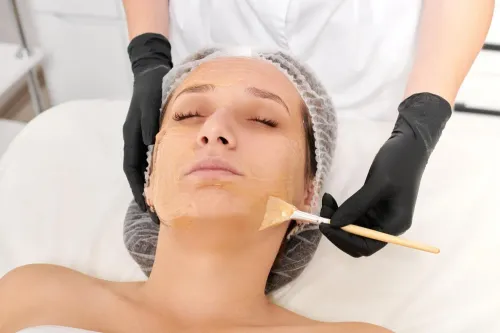
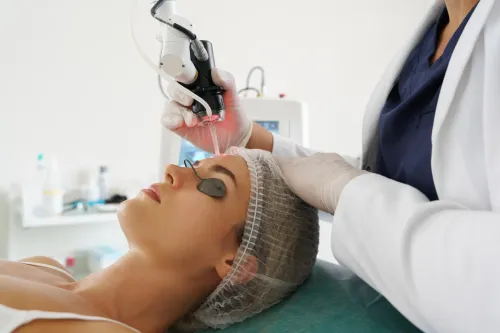
The clinician then cleanses the skin, protects sensitive areas, applies the selected solution for a controlled contact time, and removes or neutralises it as required. You should receive instructions on sunscreen, shade, cleansing and products to avoid.
Peel type is matched to the diagnosis and skin response:
| Peel option | Typical role | Main consideration |
|---|---|---|
| Glycolic or lactic acid | Superficial uneven tone or post-acne marks | Strength and contact time are adjusted |
| Salicylic acid | Pigmentation with oily or acne-prone skin | Avoid application over irritated skin |
| Jessner-type peel | Selected superficial pigmentation cases | Requires careful clinician assessment |
| Trichloroacetic acid | Deeper, selected lesions | More downtime and higher risk of post-inflammatory hyperpigmentation |
Who is suitable for a peel, and when should you postpone it?
A peel is safest when your skin barrier is intact, the pigmentation has been examined, and the clinician knows every product and medicine you use. A pigmentation treatment clinic in Baner should identify whether you have melasma, post-inflammatory hyperpigmentation, freckles, solar lentigines, or pigmentation linked to medication or illness before accepting payment.
| Situation | What it means | What to do |
|---|---|---|
| Active acne, eczema, dermatitis, infection, sunburn, cuts or cracked skin | Irritation can worsen inflammation and leave darker marks | Postpone until the skin has healed |
| Recent isotretinoin, prescription retinoids, lightening creams or exfoliating acids | The peel can cause excessive irritation or delayed healing | Give the clinician the product name, strength and last-use date |
| Recent waxing, threading, laser, microneedling or another peel | The surface is already sensitised | Wait for the interval advised after examination |
| Pregnancy or breastfeeding, medicine allergy, cold-sore history or keloid scars | Your treatment and complication plan may need changing | Disclose these before booking |
| Deep or unexplained pigmentation | A peel may treat the appearance while missing the cause | Request a dermatologist assessment first |
Do not start a peel over a flare or hide a cold-sore history. Ask who performs it, whether examination happens before payment, what happens if pigmentation worsens, and which number handles an unexpected reaction. A history of darker marks after irritation does not automatically rule out treatment, but it demands conservative agent selection and aftercare.
How much does a pigmentation chemical peel cost in Baner?
A quoted fee for a chemical peel for pigmentation in Baner is only the starting figure. The actual treatment cost depends on the diagnosis, peel agent, concentration, treatment area, number of sessions and the care provided around each session.
Before comparing clinics, ask whether the quote includes:
- Dermatologist consultation and skin assessment
- The peel type, concentration and application area
- Pre-peel preparation, if prescribed
- Post-peel sunscreen, moisturiser or medicines
- Follow-up visits and advice for unexpected reactions
- The number of sessions included in a package
- Charges for treating complications or worsening pigmentation
Compare the quote this way:
| Quote format | What to verify | Why the final cost changes |
|---|---|---|
| Per-session price | Consultation, products and follow-up included? | Add-on fees can make each visit cost more |
| Package price | Number of sessions and expiry date | A package is poor value if you need a different peel or cannot complete it |
| All-inclusive price | Exact peel, treatment area and aftercare listed in writing | “Complete” can still exclude medicines or review visits |
A lower price does not prove better value. Superficial glycolic, lactic, salicylic-acid and Jessner-type peels differ from stronger trichloroacetic-acid peels in downtime and risk, so the cheapest option may be unsuitable. Ask for the total expected cost, not only the advertised per-session amount, and confirm sunscreen and follow-up requirements before paying.
How should you book and confirm a peel appointment in Baner?
Send enough information for the clinic to decide whether an assessment is needed before a peel. A vague request such as “pigmentation treatment” can lead to the wrong appointment type.
1. State the pigmentation’s location, how long it has been present, whether it is spreading, and whether it followed acne, irritation, sun exposure, or a procedure. Mention your age, pregnancy or breastfeeding status, allergies, keloid tendency, and history of cold sores.
2. List every current product and medicine, including retinoids, isotretinoin, benzoyl peroxide, exfoliating acids, lightening creams, and supplements. Report recent waxing, laser treatment, tanning, active acne, eczema, cuts, or infection.
3. Confirm that a qualified dermatologist or trained medical professional will examine you, identify the likely cause, and choose the peel agent, concentration, and contact time. Ask whether the consultation and peel happen on the same visit; do not assume they do.
4. Get the complete quote in writing. Check the peel type, number of sessions, consultation, preparation, post-peel products, follow-up visits, GST, medicines, and complication management included in the price.
5. Before paying, ask what happens if pigmentation worsens, burns, blisters, or becomes infected, and obtain a follow-up phone number. If you contact Skin Harmony -Trusted Skin Clinic | 08048056382 for chemical peel booking Baner, ask these questions directly and follow its personalised pause instructions rather than copying an internet schedule.
Do not agree to treatment without clear aftercare, review timing, cancellation terms, and a named clinician.
Related service
PIGMENTATION Medical solution- used in treatment of acne, pigmentation, antiaging View service → |
What results and recovery should you realistically plan for?
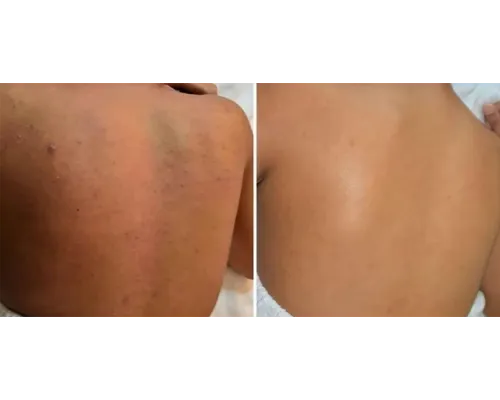
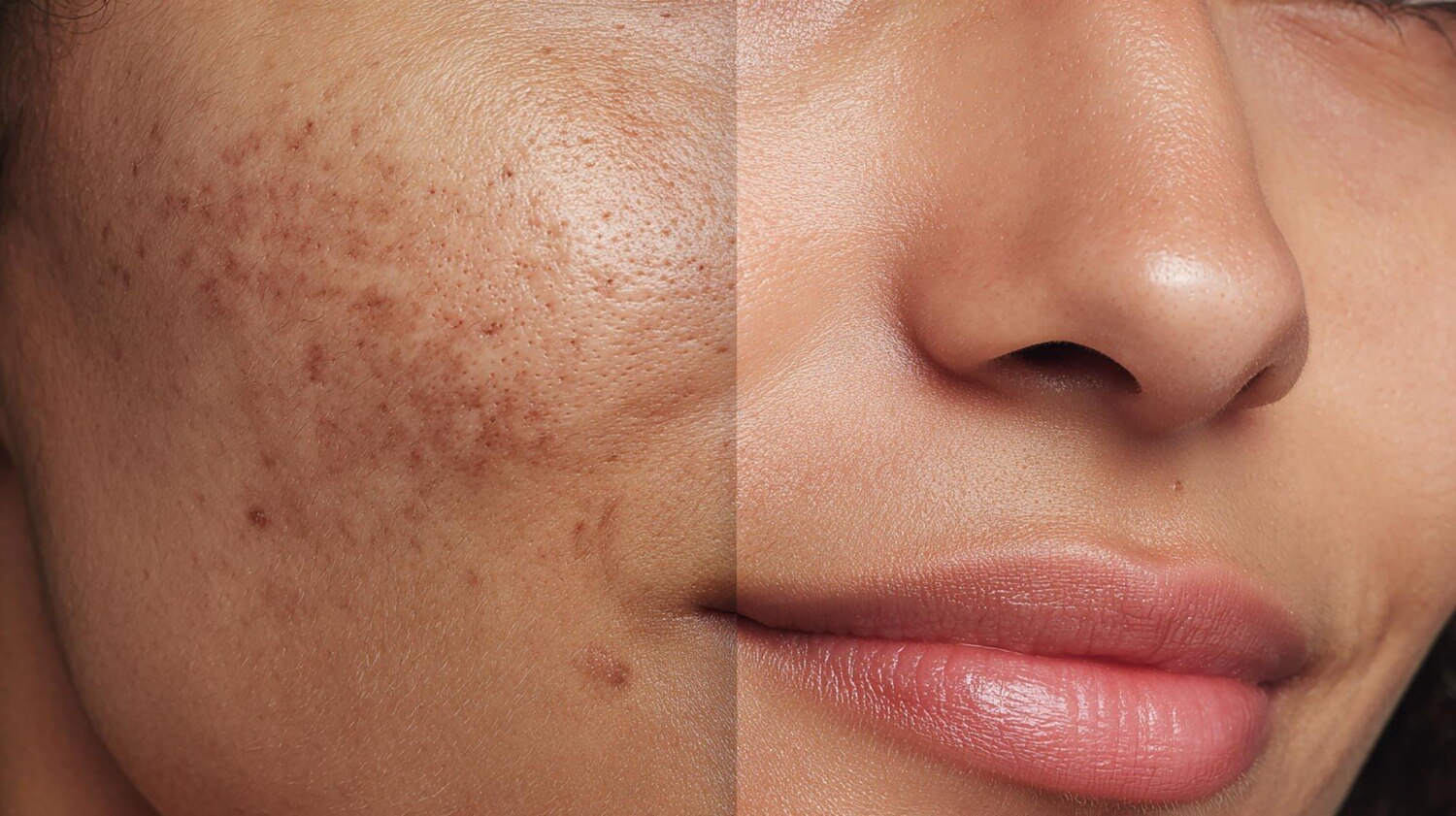
Expect early brightness within one to two weeks, but judge the overall change after several weeks rather than the first few days. Redness, tightness, dryness and light peeling can temporarily make the skin look uneven before the treated pigment fades.
One session rarely changes the biological cause of pigmentation. Melasma, sun-related spots and marks left after inflammation sit at different depths and may respond at different speeds, so a dermatologist may plan several superficial peels.
Sessions are commonly spaced 2–4 weeks apart; wait longer if your skin remains irritated or you have previously developed dark marks after treatment.
During recovery, do not pull peeling skin or restart scrubs, retinoids, benzoyl peroxide or fragranced products until your clinician allows it. Use the recommended bland moisturiser, and report blistering, severe pain, spreading swelling or rapidly darkening patches instead of applying another product yourself.
Reduce recurrence with a routine you can maintain:
- Apply a broad-spectrum SPF 30 or higher every morning and reapply after sweating or prolonged outdoor exposure.
- Use a hat, shade and physical barriers during strong sunlight.
- Treat acne, eczema or another source of inflammation promptly.
- Avoid unnecessary rubbing, aggressive hair removal and picking at spots.
- Continue maintenance treatment only as prescribed, especially for melasma.
A peel improves visible uneven tone; it does not remove the tendency to repigment. Sun exposure, hormonal changes and renewed irritation can bring the colour back.
Frequently asked questions
What happens during a pigmentation peel appointment in Baner?
The dermatologist examines the patches, reviews their history and your skincare or medicines, then decides whether a peel is appropriate and explains preparation, application, aftercare, and follow-up.
Who is suitable for a pigmentation chemical peel?
A peel suits people whose pigmentation has been assessed and whose skin is calm enough for the selected formulation. Active irritation, infection, sunburn, open skin, or recent aggressive procedures require postponement.
How much does a pigmentation chemical peel cost in Baner?
The price depends on the peel formulation, treatment area, number of sessions, consultation, medicines, and follow-up. Ask for an itemised quote rather than comparing a session price alone.
How should I book and confirm a peel appointment in Baner?
Ask the pigmentation treatment clinic about the consultation process, peel type, preparation instructions, total inclusions, appointment duration, payment terms, and cancellation policy before confirming.
What recovery should I expect after a pigmentation peel?
Plan for temporary redness, dryness, tightness, or peeling, depending on the formulation. Follow the prescribed aftercare, use sunscreen, avoid picking flakes, and contact the clinic about severe pain, swelling, or blistering.
Keywords