Dark patches need a diagnosis before they need an acid. A complete treatment plan identifies the cause of the pigmentation, checks whether your skin can tolerate a peel, explains the procedure and session schedule, and gives you specific preparation and aftercare instructions.
Key takeaways
- Expect a medical history and close skin examination before peel selection.
- The peel should match the pigmentation cause, skin area, and risk of irritation.
- Ask for written preparation, aftercare, sunscreen, and follow-up instructions.
- Choose a provider who explains alternatives, risks, session timing, and expected results.
What happens during a hyperpigmentation peel consultation?
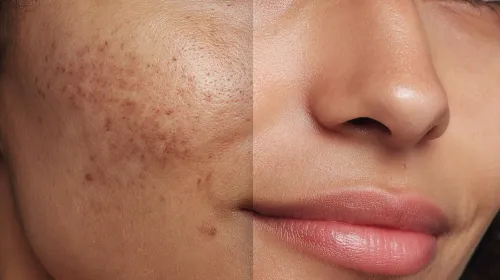
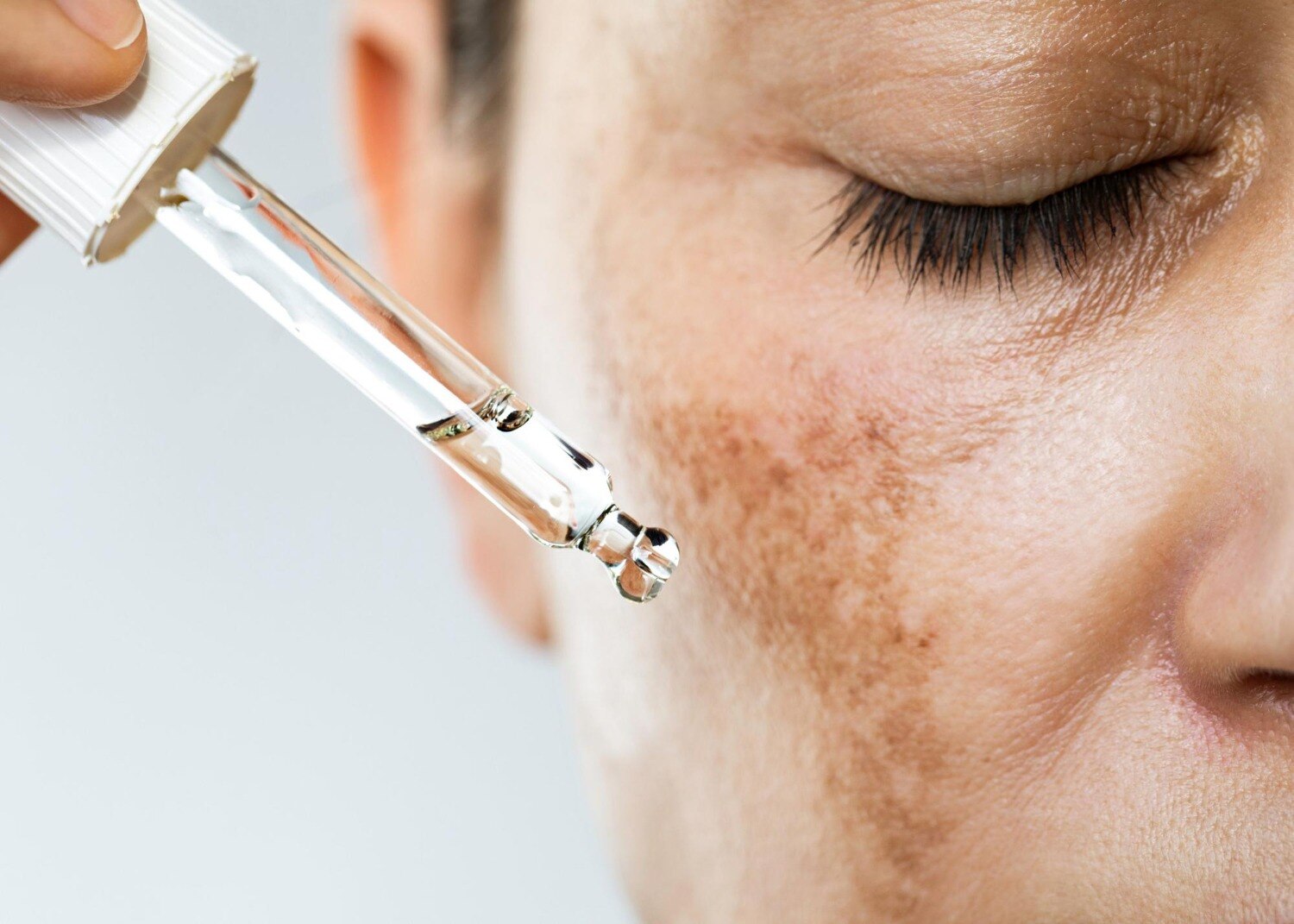
Assessment comes before peel selection because the same brown patch can need opposite treatment—or no peel at all. A hyperpigmentation peel consultation combines a medical history with a close skin examination, not just a question about where the skin looks darker.
1. The clinician reviews recent sun exposure, Fitzpatrick skin type, and your tendency to develop post-inflammatory hyperpigmentation. They ask about prior reactions or scarring, current products, medicines, isotretinoin use, pregnancy or breastfeeding, recent waxing or hair removal, cosmetic procedures, and a history of cold sores.
2. The examination checks pigment depth, borders, symmetry, texture, and surrounding inflammation. The clinician also looks for active acne, dermatitis, open skin, sunburn, or bacterial, viral, or fungal infection; treatment is postponed when these conditions make healing unsafe.
3. The pattern is matched against likely causes: melasma, post-inflammatory hyperpigmentation after acne or injury, solar lentigines, friction-related darkening, medication-related pigmentation, and acanthosis nigricans. A changing or unusual pigmented lesion needs a different evaluation before any peel is considered.
The clinician then decides whether a peel is suitable and records a baseline for comparison. Disclose every active and recently stopped product or medicine, because hidden irritation or impaired healing can turn a controlled peel into prolonged inflammation, infection, scarring, or darker pigmentation.
How is the peel chosen for the cause and body area?
A peel is suitable only after the clinician identifies why the skin is darker and whether the pigment lies superficially. Melasma needs relapse-prevention and photoprotection; post-acne marks need control of acne and inflammation; sun spots may need a more targeted treatment.
Acanthosis nigricans and friction-related underarm or groin darkening also require attention to insulin resistance, rubbing, or the underlying trigger, because a peel alone will not correct the cause.
| Concern or area | Formulations that may be considered | Key decision |
|---|---|---|
| Melasma or post-acne marks | Glycolic acid, lactic acid, salicylic acid, Jessner solution, or low-concentration TCA | Use a superficial protocol alongside pigment control and strict light protection |
| Sun spots on the face or hands | Glycolic acid, Jessner solution, or low-concentration TCA | Confirm the mark is not a lesion needing a different evaluation |
| Neck, underarms, groin, or friction-darkened skin | Lactic or glycolic acid; another superficial option when appropriate | Use conservative settings because irritation can deepen pigmentation |
| Thick or friction-prone body skin | A carefully adjusted superficial formulation | Compare skin thickness, sensitivity, and rubbing with facial skin |
The acid name does not define strength. Concentration, pH, formulation, number of coats, contact time, skin preparation, and neutralisation determine penetration. Stronger TCA and phenol peels carry greater injury and pigment-change risks, so they are not routine first-line choices for facial hyperpigmentation treatment chemical peel plans.
Postpone treatment over active dermatitis, sunburn, infection, or open skin. This also applies after significant irritation until the barrier recovers.
What is included on the day of treatment and in the session plan?
The session plan sets the treatment endpoint, expected sensations, aftercare, and number of visits before the solution touches your skin.
1. The clinician cleanses the area, then degreases it to remove oil that could cause uneven penetration.
2. Petroleum jelly or another protective product shields the eyes, lips, nostrils, corners of the nose, and other sensitive borders.
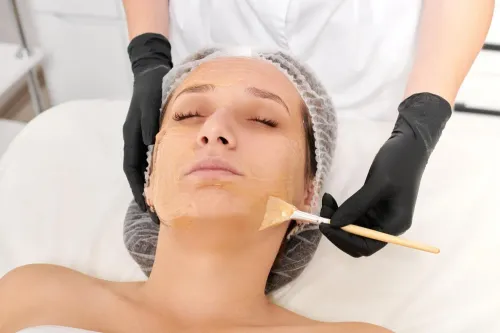
3. The selected solution is applied in controlled coats. The clinician watches warmth, stinging, redness, and the skin’s endpoint rather than applying a fixed amount to every face.
4. Report burning immediately, especially if it feels intense, sharply painful, or spreads beyond the treated area. Excessive exposure can cause inflammation, blistering, colour changes, or scarring.
5. The clinician removes or neutralises the peel when that protocol requires it. Some formulations remain on the skin for a specified period, so follow the written instructions rather than washing early.
6. A calming or barrier-supportive product follows, along with broad-spectrum sun protection.
A hyperpigmentation treatment chemical peel does not produce instant final colour. Redness, tightness, swelling, dryness, temporary darkening, scale, or superficial crusting can appear before gradual brightening; do not pick or scrub peeling skin.
Chemical peel pigmentation care usually involves a series spaced by several weeks, not one aggressive session. The plan may pair the peel with topical pigment control, but excessive inflammation can worsen pigmentation, particularly in darker skin types. The clinician should reduce intensity or postpone treatment when the skin is not ready.
What does chemical peel pigmentation care involve before and after treatment?
Chemical peel pigmentation care starts before the appointment. Follow the clinic’s instructions, because combining several irritants can inflame skin and deepen pigmentation instead of improving it.
1. Pause retinoids, benzoyl peroxide, exfoliating acids, scrubs, and other irritating products for the period specified by your clinician. Avoid tanning and use broad-spectrum sunscreen every day. Report photosensitising medicines, isotretinoin use, recent waxing or hair removal, and recent cosmetic procedures. Active acne, dermatitis, sunburn, open skin, or infection can require postponing treatment.
2. Preparation may include a retinoid, hydroquinone, or another depigmenting medicine when the diagnosis, skin sensitivity, and local prescribing rules support it. Do not start these products independently before a peel. Your clinician may also adjust treatment if you are pregnant, breastfeeding, or prone to cold sores.
3. After treatment, wash only as directed and use a gentle cleanser with a bland moisturiser. Leave peeling skin in place; picking, rubbing, friction, heat, and heavy exercise can increase inflammation and post-inflammatory hyperpigmentation. Stop irritating actives until the skin has recovered, then restart retinoids or exfoliating acids only after the clinician confirms barrier recovery.
4. Continue daily ultraviolet protection throughout the treatment course and afterward. For melasma, choose a tinted sunscreen containing iron oxides because visible light can also worsen pigment. Seek prompt review for worsening pain, spreading redness, pus, fever, blistering, or eye symptoms.
How do you judge whether a peel provider and plan are appropriate?
A suitable consultation gives you a diagnosis and a plan, not merely an acid name or a “strong peel” claim. Use the answers below to compare providers.
1. Ask what explains the pigmentation: melasma, post-inflammatory hyperpigmentation, a solar lentigo, friction-related darkening, medication-related pigmentation, acanthosis nigricans, or a lesion needing different evaluation.
2. Ask how many sessions are expected, how many weeks apart they will be, what downtime to expect, and which alternatives exist. For melasma, ask how relapse will be managed; a peel does not remove the tendency permanently.
3. Ask how the clinician will reduce risks of post-inflammatory hyperpigmentation, hypopigmentation, prolonged redness, infection, scarring, milia, acne or eczema flares, and herpes reactivation. Tell them about recurrent cold sores and ask whether preventive antiviral treatment is needed.
4. Confirm the aftercare instructions: gentle cleansing, bland moisturiser, sunscreen, no picking or friction, and when to restart irritating products. This chemical peel pigmentation care is part of treatment, not an optional extra.
A high-concentration home peel is not equivalent to controlled medical treatment; concentration, application time, skin monitoring, and emergency care differ. Skin Harmony -Trusted Skin Clinic | 08048056382 is one option for a consultation at WellCare Forever, upper Ground floor, Treza Business Hub, Maharashtra; compare its assessment and aftercare plan, not its brand name.
Seek prompt review for worsening pain, spreading redness, pus, fever, blistering, or eye symptoms.
Related service
Pigmentation body Chemical peels are effective, minimally invasive treatments for body acne, pigmentation, and acanthosis nigricans. View service → |
Frequently asked questions
What happens during a hyperpigmentation peel consultation?
The provider reviews your medical history, current products, sun exposure, previous treatments, and pigmentation pattern before examining the skin closely. They use this assessment to decide whether a peel is suitable.
How is a chemical peel chosen for pigmentation?
The choice depends on the likely cause of pigmentation, your skin type, the depth and location of discoloration, and your history of irritation or post-inflammatory hyperpigmentation. Facial skin, underarms, hands, and other body areas may need different plans.
What is included in a chemical peel pigmentation treatment session?
A session should include skin preparation, application of the selected peel, timing and removal or neutralisation when required, immediate soothing care, and instructions for the next session. The plan should also state the expected interval between treatments.
What does chemical peel pigmentation care involve before and after treatment?
Care can include pausing irritating products before treatment, following the provider’s preparation instructions, using broad-spectrum sunscreen, moisturising, avoiding picking or scrubbing, and watching for unusual pain, blistering, or prolonged redness.
Keywords