Pigmentation that looks similar on the surface can come from melasma, acne-related marks, freckles, sun spots, friction, medication, or an underlying disorder. You will learn how diagnosis determines whether a peel is appropriate, what the procedure and recovery involve, and how to compare a peel with safer or more suitable alternatives.
Key takeaways
- Get the pigmentation pattern diagnosed before choosing a peel.
- Ask which acid, strength, contact time, and number of sessions are planned.
- Use sunscreen and prescribed aftercare throughout recovery.
- Check the clinic’s dermatologist credentials, consent process, and emergency advice.
Why diagnosis comes before choosing a peel
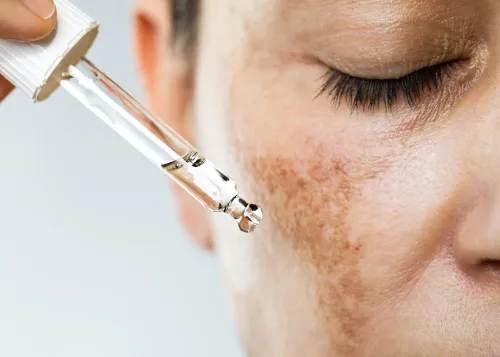
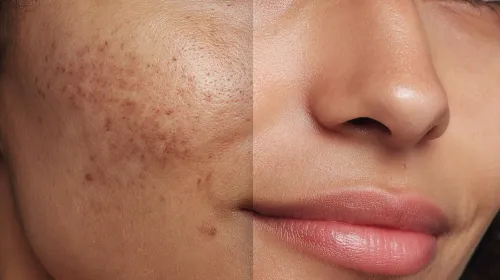
A peel is not a diagnosis. For chemical peel applications for pigmentation in sus, a dermatologist first examines the pattern, trigger, duration, and surface texture. Melasma usually forms symmetrical facial patches; post-inflammatory hyperpigmentation follows acne, dermatitis, or injury; freckles are small sun-related spots; solar lentigines are sharply defined persistent macules.
Friction-related darkening follows rubbing, shaving, or tight clothing. Acanthosis nigricans creates thicker, velvety dark skin, while drug-induced pigmentation follows a medication pattern. A new irregular, rapidly changing, bleeding, or crusted spot needs lesion assessment, not a peel.
A Wood lamp or dermatoscope can add useful detail, but neither reliably reveals the complete pigment depth in every skin tone.
A superficial peel may suit stable, epidermal pigmentation after inflammation is controlled; deeper or recurrent pigment may need daily sunscreen, hydroquinone, azelaic acid, retinoids, tranexamic acid, laser or light treatment, or management of a hormonal or medical cause.
| Pattern | Clues | Usual direction |
|---|---|---|
| Melasma | Symmetrical facial patches | Sunscreen and medical topicals; peel as an adjunct |
| Post-inflammatory | Follows acne, rash, or injury | Control inflammation, then conservative treatment |
| Freckles or lentigines | Discrete sun-related spots | Photoprotection; selected procedures |
| Friction or shaving | Body folds or repeatedly rubbed areas | Remove trigger before treatment |
| Acanthosis nigricans | Velvety thickening, often neck or folds | Assess metabolic or hormonal causes |
| Suspicious lesion | New, irregular, changing, bleeding, or crusted | Dermatologist review; no peel |
- Discuss tanning, active acne or dermatitis, infection, herpes labialis, keloids, medicines, pregnancy or breastfeeding, current pigment products, previous procedures, and photographs showing progression. Body skin is thicker, and sweat, shaving, and friction can keep recreating pigment.
How the peel is selected and applied
A pigmentation peel is selected by diagnosis, skin tone, barrier condition, oiliness, treatment site, and formulation—not by acid name alone. A chemical peel sus appointment should begin with examination of the area, photographs when needed, and confirmation that the skin has no active dermatitis, infection, open wound, or recent excessive sun exposure.
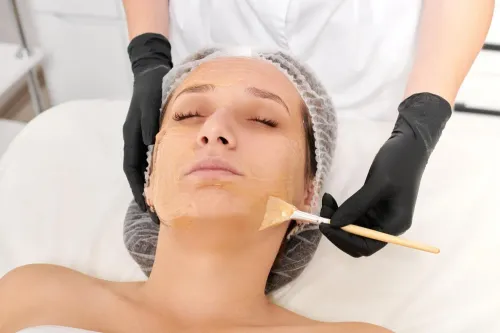
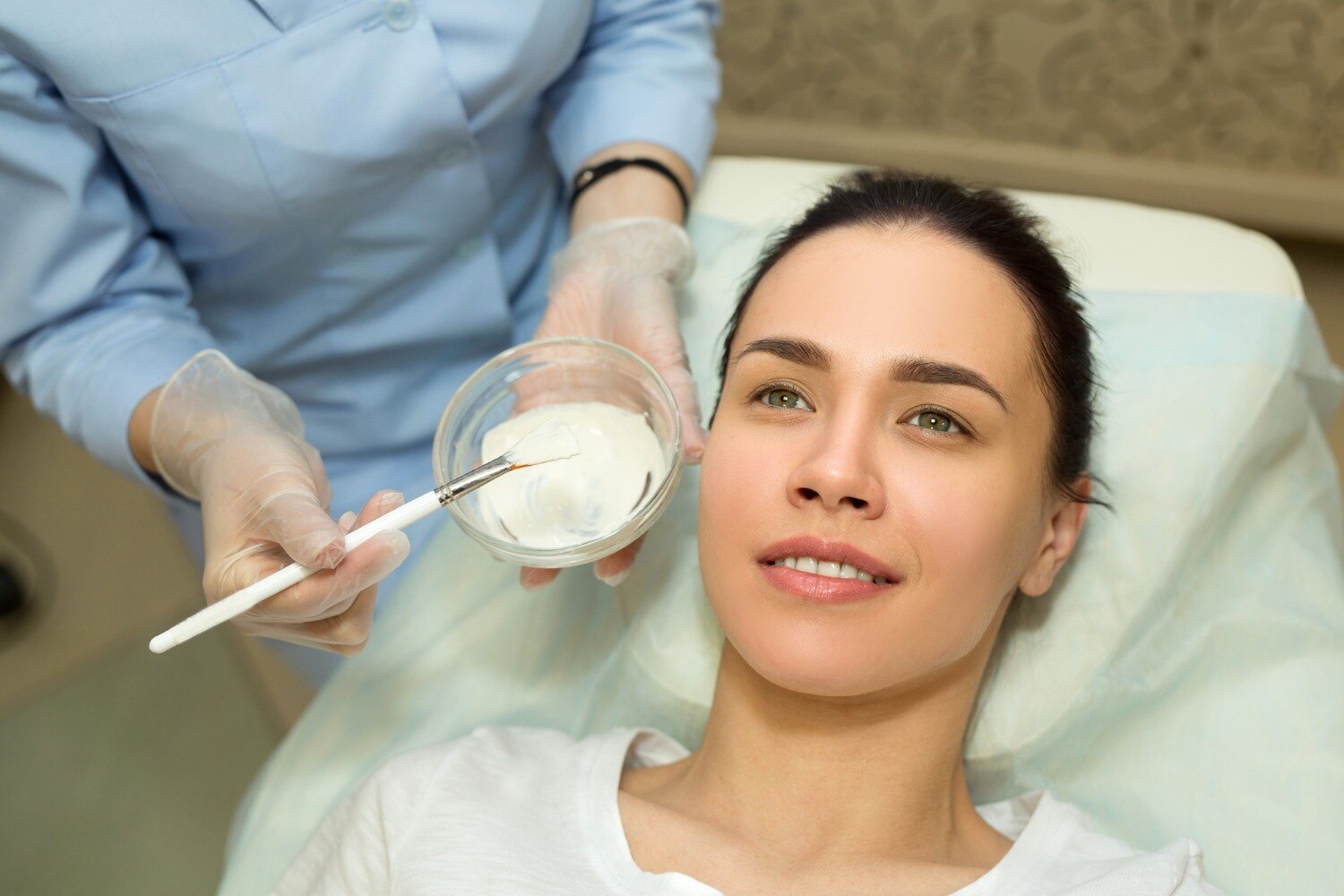
The clinician cleanses and degreases the skin, protects the eyes, and applies the chosen solution in controlled strokes. Contact time and number of coats depend on concentration, pH, buffering, vehicle, and the intended depth. The clinician neutralises or removes the solution when the formulation requires it, then applies a bland moisturiser or selected post-procedure product.
| Acid | Typical role | Main selection consideration |
|---|---|---|
| Glycolic acid | Controlled superficial exfoliation | Useful when measured resurfacing is appropriate |
| Lactic acid | Potentially gentler superficial exfoliation | Consider when dryness or sensitivity matters |
| Salicylic acid | Oil-soluble exfoliation | Useful for oilier or acne-prone skin |
Face and body require separate assessment: body skin may be thicker, while friction, shaving, sweat, and occlusion increase irritation and recurrent darkening.
Superficial peels are generally preferred for pigmentation and Fitzpatrick IV–VI skin because less prolonged inflammation lowers post-inflammatory hyperpigmentation risk. Medium-depth peels injure deeper layers. Trichloroacetic-acid and phenol peels are not automatically better; they carry greater risks of burns, scarring, infection, prolonged redness, and persistent pigment change.
Before treatment, confirm the formulation, concentration or strength, intended depth, expected downtime, and rescue plan.
What recovery, aftercare, and warning signs look like
Stinging, warmth, tightness and redness can begin within minutes of a superficial peel. Fine scaling, visible peeling and temporary darkening may follow. Marked swelling, thick crusting or a recovery that lasts longer than the clinician predicted suggests a deeper injury, not a reason to exfoliate harder.
A pigmentation treatment sus plan often uses several conservative sessions, separated by intervals chosen from the agent, depth and your skin response. Colour usually improves gradually rather than after one appointment. Correction treats existing pigment; maintenance continues afterward because melasma and other pigmentation can recur.
Your written aftercare should specify when to:
- Restart retinoids, glycolic acid, salicylic acid and exfoliating scrubs.
- Resume waxing, threading and shaving.
- Return to swimming, hot environments and strenuous exercise.
- Follow 24-, 48- or 72-hour restrictions, when applicable.
Use broad-spectrum SPF 30 or higher every day, seek shade and wear a hat. Tinted sunscreen containing iron oxides adds visible-light protection and is especially relevant for melasma. Poor aftercare or over-treatment can cause post-inflammatory hyperpigmentation, hypopigmentation, burns, allergy, dermatitis, acne, herpes reactivation, worsening melasma or prolonged redness.
Contact the clinic urgently for blisters, severe swelling, persistent burning, pus, fever, spreading redness or other infection signs. Rapidly worsening pigment also needs prompt review. Do not apply more acids or scrub the area while waiting for advice.
When a peel is worth the trade-off
Choose a superficial peel when faster visible exfoliation justifies inflammation, appointments, and recovery. It lightens excess pigment; it does not permanently change your natural skin colour, remove every cause, or guarantee an even result after one session.
| Option | Main advantage | Practical cost and risk |
|---|---|---|
| Topicals | Hydroquinone, azelaic acid, retinoids, tranexamic acid, and sunscreen address pigment pathways or maintain results | Slower change, but less procedure-related inflammation |
| Superficial peel | Faster visible scaling and surface brightening | Repeated sessions, peeling, product restrictions, social downtime, and rebound pigment |
| Microneedling or HydraFacial | Different approaches to texture and surface care | Expense, repeated visits, and irritation risk vary by device and skin response |
| Laser or light | Selected targets can receive focused treatment | Greater expense and pigment rebound risk; laser is not automatically safer for deeper skin tones or melasma |
Photoprotection is the baseline, not an optional substitute. Use broad-spectrum SPF 30 or higher daily, seek shade, wear a hat, and choose tinted sunscreen with iron oxides when melasma or visible-light sensitivity is relevant.
Before booking, price the full course rather than one session: preparation, travel, repeated appointments, visible peeling, exercise or event restrictions, and strict sun protection all count. Recurrence remains possible, especially after ultraviolet or visible-light exposure. If pigment returns repeatedly or fails to improve, request a diagnosis review instead of automatically choosing a stronger peel.
How to assess a Sus clinic before booking
A safe clinic in Sus starts with a dermatologist-led diagnosis, not a product name. Consent should document the suspected condition, alternative treatments, expected number of sessions, interval between sessions, downtime, risks for Indian or deeper skin tones, and follow-up criteria.
Bring:
- Your medication list, pregnancy or breastfeeding status, allergy history, cold-sore history, keloid tendency, current skincare products, previous peel or laser details, and photographs showing progression.
Before treatment, ask to see the product name, concentration or formulation, expiry date, and batch details. Confirm sterile application practices, eye protection, and written emergency advice.
| Check | Acceptable evidence | Stop and reconsider |
|---|---|---|
| Diagnosis | Dermatologist explains the pigmentation and alternatives | Peel is offered before examination |
| Product | Agent, strength, intended depth, downtime, and rescue plan are documented | Staff describe it only as a “strong peel” |
| Safety | Clean technique, eye protection, and clinician-specific aftercare | No written instructions or unclear supervision |
| Follow-up | Named contact and review criteria are provided | No plan for complications or no improvement |
Your plan should state whom to contact for blistering, severe swelling, infection, persistent burning, worsening pigmentation, or no improvement.
Skin Harmony -Trusted Skin Clinic | 08048056382 may be considered for a skin specialist sus or medical dermatology sus consultation at WellCare Forever, upper Ground floor, Treza Business Hub, Maharashtra, but choose on diagnosis, transparent consent, aftercare, and review access—not a stronger peel.
Related service
PIGMENTATION Medical solution- used in treatment of acne, pigmentation, antiaging View service → |
Frequently asked questions
Why is diagnosis necessary before a pigmentation peel?
Melasma, post-inflammatory hyperpigmentation, freckles, and solar lentigines have different patterns, triggers, and treatment needs. A peel is not a diagnosis.
How is a chemical peel selected and applied for pigmentation?
The clinician matches the peel to your pigmentation type, skin condition, and treatment goals, then explains the acid, strength, contact time, preparation, and expected sessions.
What does recovery after a pigmentation peel involve?
Follow the clinic’s aftercare plan, protect your skin from sunlight, avoid picking or scrubbing peeling skin, and ask about warning signs that require prompt review.
When is a chemical peel worth the trade-off?
A peel is worth considering when the expected improvement justifies downtime, irritation risk, repeat sessions, strict sun protection, and the possibility of incomplete results.
How can you assess a Sus skin clinic before booking?
Check who performs the procedure, request a clear diagnosis and treatment plan, confirm informed consent, ask about aftercare and complications, and verify how urgent concerns are handled.
Keywords