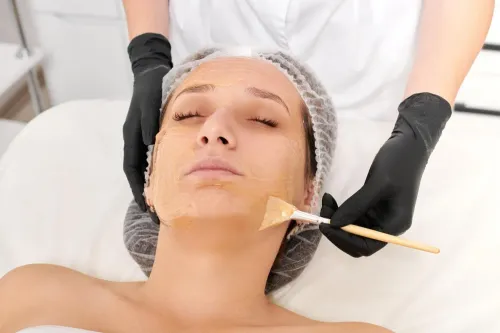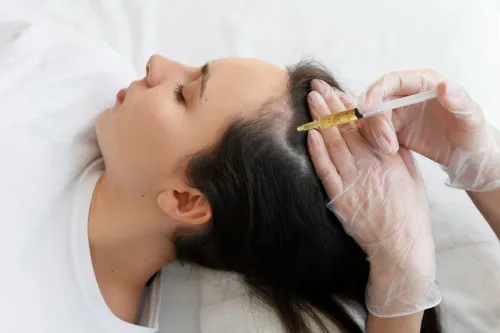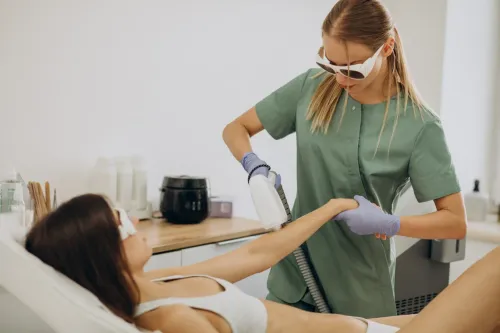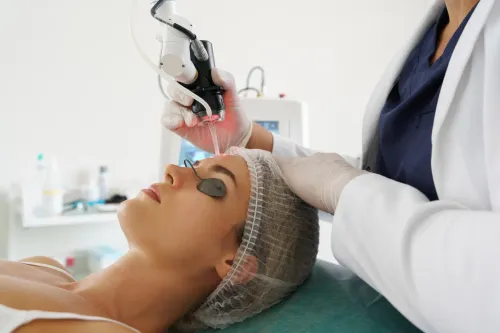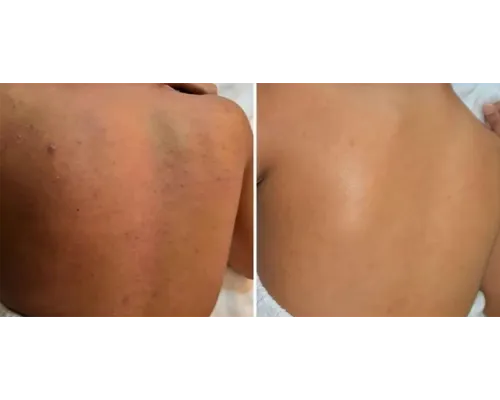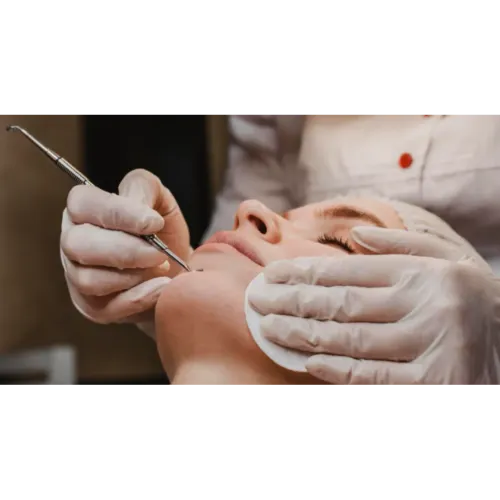
Chemical peels are widely used to improve skin texture, uneven tone, acne marks, and mild pigmentation. Although the procedure is commonly discussed in skincare, understanding how a chemical peel works helps individuals make informed decisions before undergoing treatment.
People in Balewadi considering cosmetic skin procedures should know that chemical peels are selected according to skin type, concern, and overall skin health.
How Does a Chemical Peel Work?
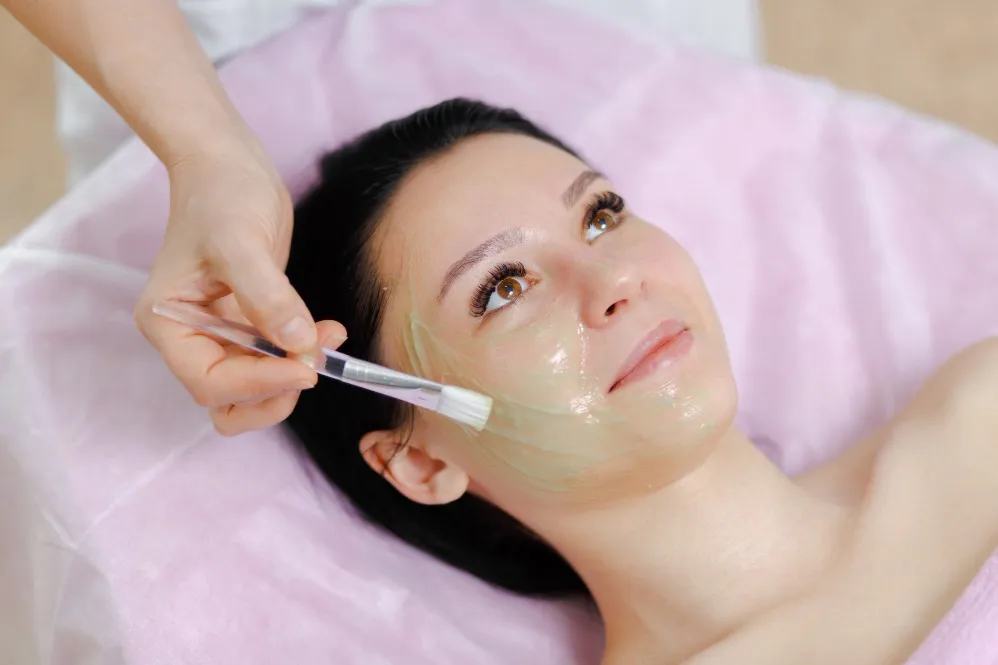
A chemical peel involves applying a carefully selected solution that encourages controlled exfoliation of the outer skin layers. As the skin renews itself, many individuals notice smoother texture and a more even appearance.
The depth of the peel depends on the condition being treated and should always be determined by a qualified dermatologist.
Concerns That May Benefit
Chemical peels may be recommended for:
- Mild acne scars
- Uneven skin tone
- Sun damage
- Fine lines
- Pigmentation
- Dull skin texture
Not every skin concern is suitable for this treatment, making consultation essential.
Preparing for the Procedure
Before treatment, patients may be advised to:
- Avoid excessive sun exposure.
- Inform the doctor about medications.
- Pause certain skincare products.
- Follow pre-treatment instructions carefully.
Preparation supports better healing and treatment outcomes.
Aftercare Is Equally Important
Following a peel, skin requires gentle care.
Common recommendations include:
- Regular sunscreen use
- Moisturizing as advised
- Avoiding harsh scrubs
- Protecting healing skin from direct sunlight
Following aftercare instructions reduces the risk of irritation and supports recovery.
Chemical Peel Consultations in Balewadi
For individuals exploring skin resurfacing treatments in Balewadi, consulting a dermatologist helps determine whether a chemical peel is appropriate. Dr Shruti Dewang provides individualized assessments that consider skin condition, treatment goals, and medical history before suggesting suitable options, ensuring decisions are based on clinical evaluation rather than trends.
Keywords