A dark patch is not a diagnosis, and choosing a peel before identifying its cause can worsen pigmentation. You will be able to compare dermatologists in Hinjewadi, verify safe clinical practice, understand which peel approach fits your concern, and judge a treatment plan before you book.
Key takeaways
- Get the pigmentation diagnosed before choosing a chemical peel.
- Check the dermatologist’s credentials, clinic hygiene, and treatment consent process.
- Choose the peel according to your pigment pattern and skin tone.
- Demand realistic timelines and scheduled follow-up, not one-session promises.
Start with the diagnosis, not the peel
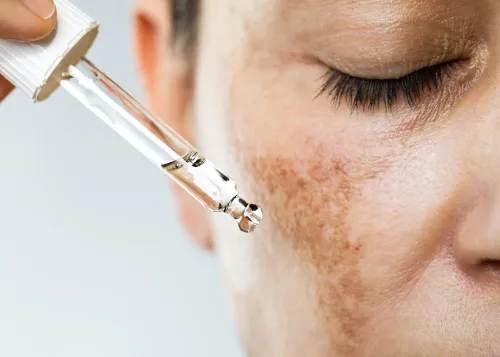
A chemical peel is suitable only after a dermatologist identifies the cause of your pigmentation and confirms that your skin barrier is healthy. A darker patch is not automatically peelable; irritation from the wrong treatment can deepen pigmentation, particularly in brown or deeper skin tones.
A pigmentation dermatologist in Hinjewadi should distinguish between:
- Melasma, usually symmetrical facial pigmentation that can respond to a carefully controlled plan.
- Post-inflammatory hyperpigmentation, including acne marks, where active acne or eczema must be controlled first.
- Freckles and lentigines, which have different triggers and treatment expectations.
- Drug-related pigmentation, ochronosis or acanthosis nigricans, which require diagnosis before cosmetic treatment.
Tell the clinician about previous peels, creams, procedures, acne, eczema, pregnancy, medicines, recent sun exposure and any history of abnormal scarring. A suddenly changing, one-sided or symptomatic patch needs medical assessment before a cosmetic peel, especially if it itches or bleeds.
Before booking, ask for a written plan naming the suspected diagnosis, peel type or class, preparation, expected downtime, session spacing, aftercare and alternatives. It should also state when treatment will be stopped or changed if your pigmentation worsens. A consultation without a proper skin examination or one promising guaranteed clearance is a warning sign.
Verify the dermatologist and clinic before booking
A consultation without a skin examination is a reason to leave, not book. A dermatologist for chemical peel hinjewadi service should identify the suspected cause—melasma, post-inflammatory hyperpigmentation, acne marks, lentigines, drug-related pigmentation or acanthosis nigricans—before recommending a peel.
1. Verify the doctor’s dermatology qualification and ask who will examine you, select the acid and concentration, perform the procedure, and supervise complications. A receptionist-led consultation is not equivalent to dermatologist care.
2. Ask about previous peels, acne, eczema, pregnancy, medicines, recent sun exposure, abnormal scarring and reactions to irritation. Brown or deeper skin tones need careful assessment because inflammation from an aggressive peel can deepen pigmentation.
3. Inspect the chemical peel clinic hinjewadi for clean treatment rooms, sealed or labelled products, gloves, eye protection and a clear consent process. The clinic should explain burning, redness, swelling, scaling, crusting, infection, scarring and persistent pigment changes.
4. Request a written plan naming the suspected diagnosis, peel type or class, preparation, downtime, aftercare, session spacing and the trigger for stopping or changing treatment. Guaranteed results without an examination are a warning sign.
Use these questions when comparing Skin Harmony -Trusted Skin Clinic | 08048056382 with any other provider offering a dermatologist chemical peel for pigmentation hinjewadi. Choose the service that explains alternatives and follow-up, not the one promising the strongest peel or fastest result.
Related service
PIGMENTATION Medical solution- used in treatment of acne, pigmentation, antiaging View service → |
Match the peel to the pigment pattern and your skin
The ingredient follows the pigment pattern, while concentration, contact time and depth follow your skin’s reactivity. Melasma often needs a conservative superficial approach; post-inflammatory hyperpigmentation requires control of the original inflammation; acne marks may suit a different acid from sun spots or lentigines. Ochronosis and drug-related pigmentation need diagnosis before peeling.
| Ingredient | Typical role | Key selection consideration |
|---|---|---|
| Glycolic acid | Surface exfoliation for uneven tone and some acne marks | Use cautiously when your skin is sensitive or prone to post-inflammatory hyperpigmentation |
| Salicylic acid | Oil-soluble exfoliation for acne-related pigmentation and blocked pores | Avoid or modify it if you react to aspirin-type medicines or have a damaged skin barrier |
| Lactic acid | Gentler superficial exfoliation with hydration support | Consider it when dryness or sensitivity limits stronger options |
| Mandelic acid | Slower-penetrating exfoliation for acne-prone or pigment-prone skin | Useful when gradual treatment is safer than rapid irritation |
| Combination peel | Targets more than one feature | Requires careful ingredient balance, concentration and contact time |
A dermatologist chemical peel for pigmentation hinjewadi consultation should document your prior reactions, acne or eczema, recent sun exposure, medicines, pregnancy status and scarring history. Brown or deeper skin can develop darker patches after excessive inflammation, so “stronger” is not automatically better.
Ask for the planned peel class, concentration, expected downtime, session spacing and the point at which treatment will stop or change. A dermatologist should choose a shallower treatment or postpone it when your barrier is irritated, tanned or actively inflamed.
Know what happens before, during and after treatment
Expect a properly managed appointment to have three clear stages: assessment, controlled application and documented aftercare.
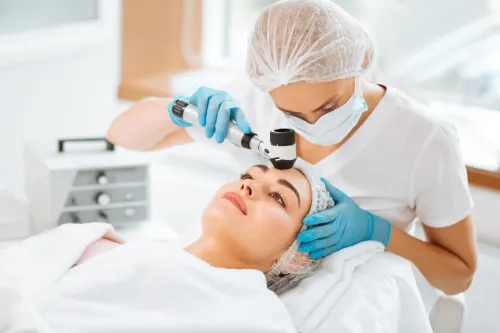
1. Before treatment, the dermatologist examines the patches and asks about acne, eczema, pregnancy, medicines, recent sun exposure, previous peels and abnormal scarring. The plan should name the suspected diagnosis, peel type or class, preparation, expected downtime, session spacing, alternatives and the point at which treatment will stop or change if pigmentation worsens.
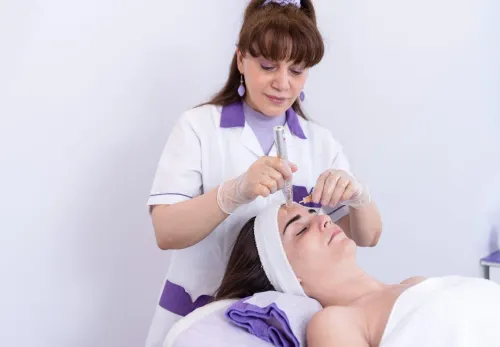
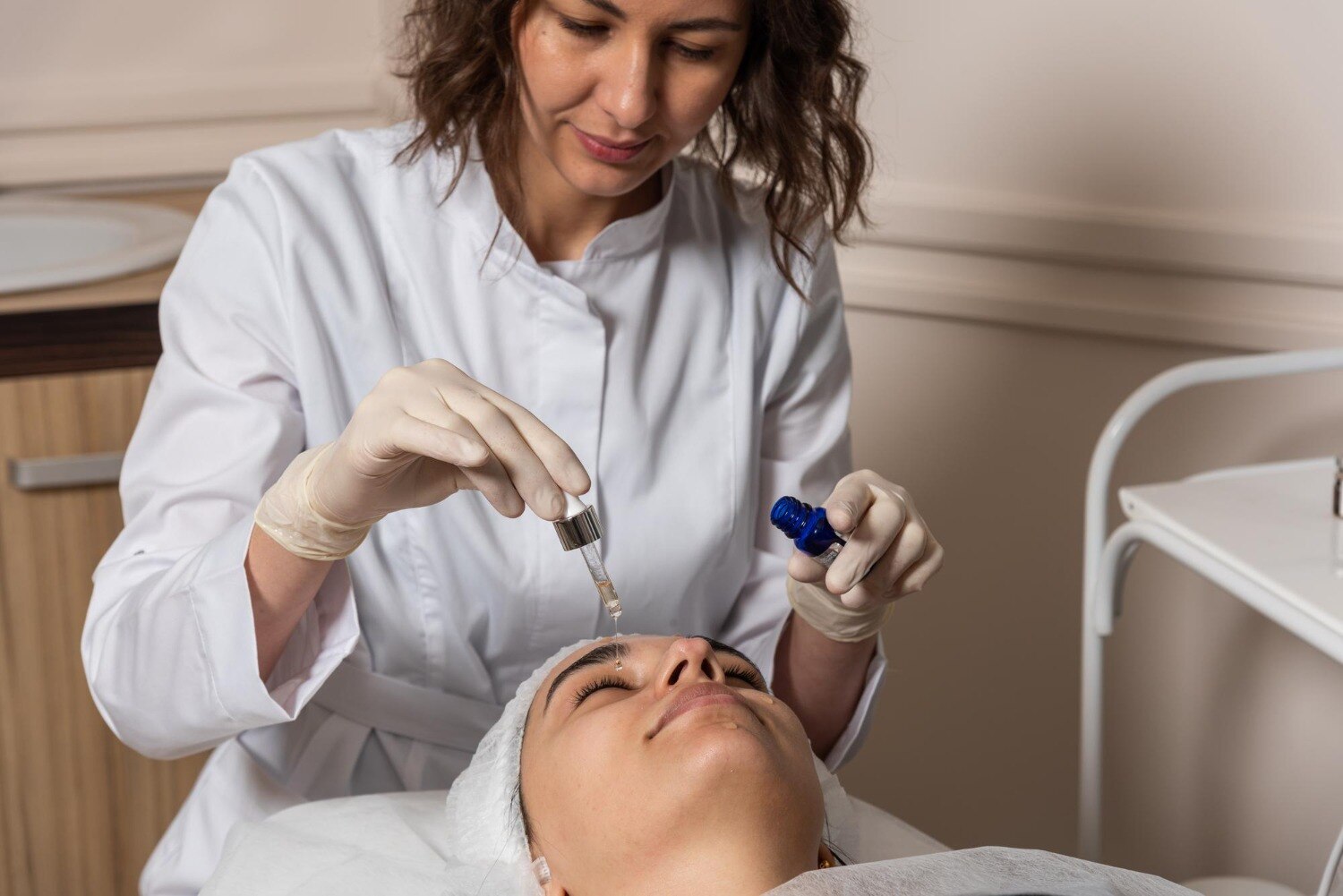
2. Treatment should not begin over sunburned, recently tanned or actively irritated skin. After cleansing and protecting sensitive areas, the clinician applies the selected solution for a controlled time, watches for excessive burning or swelling, then removes or neutralises it according to the product.
You should receive an explanation of expected sensations and give consent before application.
3. Afterward, leave with written instructions, not just verbal advice. Use the recommended cleanser, moisturiser and broad-spectrum sunscreen; do not pick peeling skin or restart retinoids, exfoliating acids or other unapproved products until told. Contact the clinic about worsening pain, blistering, marked swelling or rapidly darkening pigment.
A search for “dermatologist for chemical peel hinjewadi” should lead to a consultation where the doctor answers questions rather than promises a result. Ask who performs the peel, how complications are handled and when follow-up will occur.
Judge the plan by follow-up, not a one-session promise
A realistic plan often involves 3 to 6 sessions, spaced about 2 to 4 weeks apart, rather than one dramatic peel. The exact number depends on whether you are treating melasma, post-inflammatory hyperpigmentation or acne marks, plus your skin’s reaction to preparation and the first peel.
A pigmentation dermatologist hinjewadi should record the expected endpoint, downtime and maximum planned sessions.
Ask the chemical peel clinic hinjewadi to put these checkpoints in writing:
- Take baseline photographs in the same lighting and position before each session.
- Review fading, new patches, redness, burning and prolonged scaling at every appointment.
- Delay or reduce the next peel if irritation has not settled or pigmentation has darkened.
- Change the ingredient, strength or diagnosis if there is no visible improvement after the agreed trial period.
- Stop treatment and assess complications if you develop blistering, infection, scarring or persistent colour change.
Judge progress over weeks, not by peeling or immediate brightness. A successful peel causes gradual, even reduction in the target pigment without leaving darker borders or widespread inflammation. Compare photographs and the affected area, not a freshly exfoliated surface.
Ask what alternative treatment follows if the plan fails; a clinic that promises a fixed result after one session is not offering meaningful follow-up.
Frequently asked questions
Why should pigmentation be diagnosed before a chemical peel?
A dark patch can result from melasma, post-inflammatory hyperpigmentation, acne, medication, or another skin condition. A dermatologist must identify the cause and check that your skin barrier is healthy before recommending a peel.
How do I verify a dermatologist and chemical peel clinic in Hinjewadi?
Check the dermatologist’s medical registration, ask who will perform the peel, inspect treatment-room hygiene, and request a clear consent form describing the product, risks, aftercare, and follow-up plan.
How is the right chemical peel chosen for pigmentation?
The dermatologist matches the peel to the pigment pattern, skin tone, sensitivity, active acne or irritation, and risk of post-inflammatory hyperpigmentation. A darker patch is not automatically suitable for peeling.
What should I expect before, during, and after a pigmentation peel?
Before treatment, discuss medicines, skincare products, sun exposure, and previous reactions. During the peel, expect cleansing, controlled application, and monitoring. Afterward, follow the prescribed care, avoid picking or unapproved actives, use sunscreen, and attend follow-up.
How can I judge whether a pigmentation treatment plan is realistic?
Look for a diagnosis, staged treatment plan, written aftercare, and scheduled review. Pigmentation often needs repeated assessment and maintenance, so a promise of complete removal in one session is a warning sign.
Keywords