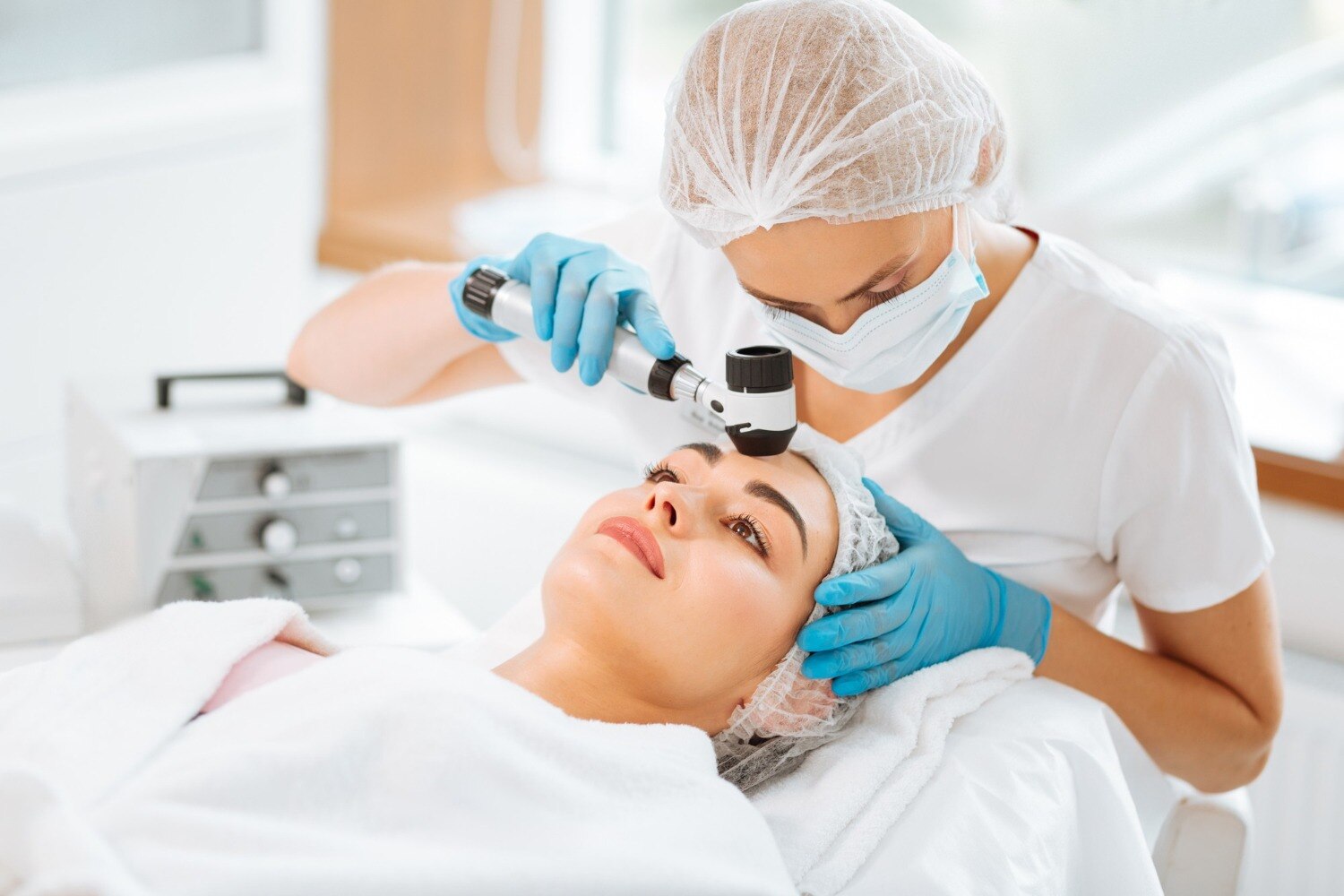
A safe chemical peel begins with a diagnosis, a qualified medical practitioner, and a clearly documented treatment plan—not a discount or a promised result after one session. By the end, you will know how to verify a provider, what to ask during consultation, and how to compare peel depth, preparation, aftercare, and follow-up.
Key takeaways
- Verify the dermatologist through the National Medical Commission’s Indian Medical Register.
- Ask what diagnosis supports the recommended peel and concentration.
- Confirm preparation, downtime, sun protection, and warning signs before treatment.
- Compare clinics by clinician credentials, consultation quality, hygiene, and written aftercare.
Verify the practitioner before you book
A trustworthy skin specialist hinjewadi patients can rely on should be identifiable before payment. Confirm that the treating clinician is a dermatologist and check the doctor’s registration and dermatology qualification through the National Medical Commission’s Indian Medical Register.
Ask who personally examines your skin and selects the peel; a receptionist, technician, or salon operator should not make that decision.
- Ask the clinic to identify the product, active chemical, concentration, pH where relevant, batch number, expiry date, treatment area, and planned contact time.
- Confirm that every detail will appear in your treatment record, along with the selected peel depth, expected downtime, aftercare, and warning signs.
- Ask who handles a chemical burn, infection, prolonged swelling, herpes reactivation, delayed healing, or unexpected pigment change, including the after-hours contact and referral arrangement.
- Reject an internet high-strength product or salon service when no qualified clinician examines you, records the protocol, or provides medical follow-up.
A listing for skin specialist chemical peel for hinjewadi is only a starting point. A medically supervised procedure includes examination, documented product information, and an emergency plan; the listing title and package price do not prove safe care. At-home acids can cause burns, infection, scarring, and lasting colour changes, especially on irritated or darker skin.
Ask direct questions before booking.
Make sure the consultation diagnoses the problem
A proper consultation diagnoses the skin problem before anyone selects an acid or schedules a peel. For someone searching pigmentation treatment Hinjewadi, the goal is to identify the cause, not simply lighten the surface.
Tell the clinician about:
- Medical conditions, allergies, pregnancy, photosensitising medicines, and recent isotretinoin use.
- Abnormal wound healing, keloids, recurrent cold sores, previous procedures, skin sensitivity, and recent sun exposure.
- Every current product, including retinoids, benzoyl peroxide, hydroquinone, scrubs, and exfoliating acids.
The examination should record active acne, inflammation, bacterial, viral or fungal infection, open wounds, tanning, and the pattern of pigmentation. Treating active acne, picking, friction, and other triggers helps prevent new post-inflammatory marks; repeatedly peeling while acne continues can create a cycle of temporary improvement and fresh pigmentation.
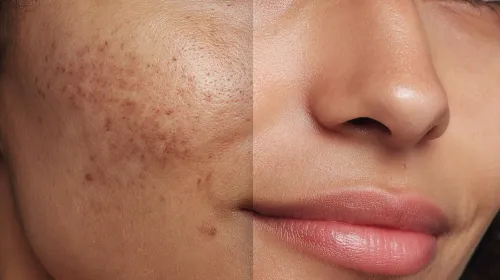
Melasma, post-inflammatory hyperpigmentation, acne marks, and medication-related colour changes require different treatment decisions. A suspicious pigmented lesion is different again. A changing, bleeding, or non-healing lesion needs clinical examination and, when indicated, dermoscopy or biopsy—not a peel that could irritate it and delay diagnosis.
Postpone treatment when infection or significant inflammation affects the area. A history of cold sores also needs discussion because facial procedures can reactivate herpes, and the clinician may consider antiviral prevention. Recent isotretinoin, pregnancy, abnormal healing, keloids, and photosensitising medicines require individual assessment rather than an automatic yes or no.
Match the peel, concentration, and depth to your goal
The right peel depends on your diagnosis, skin response, and desired depth—not on choosing the strongest acid. Glycolic or lactic acid may suit selected texture or pigmentation concerns; salicylic acid is often considered when oiliness or acne dominates, while mandelic acid can be discussed for sensitive or acne-prone skin.
Jessner-type combinations, trichloroacetic acid, and phenol require different levels of supervision and carry different risks. Concentration alone does not establish safety: preparation, application time, neutralisation or removal, treatment area, medicines, and your previous response also matter.
Depth predicts recovery. Superficial peels mainly affect the epidermis; medium-depth peels reach the papillary dermis; deep peels reach the reticular dermis. Greater depth brings more pain, downtime, pigment alteration, delayed healing, and scarring risk.
A chemical peel Hinjewadi search should lead to questions about why that depth fits your concern and skin tone, especially if you tan easily or have darker skin.
Ask the clinician to explain:
- Superficial treatment: expected redness, warmth or burning, followed by scaling and light peeling over several days.
- Medium-depth treatment: more pronounced burning, swelling, crusting, and peeling, with longer visible recovery.
- Deep treatment: substantial pain, prolonged wound care, and higher risks of infection, pigment change, delayed healing, and scarring.
- The planned agent, concentration, contact time, removal method, downtime, warning signs, and alternatives if your skin reacts poorly.
Peeling is not proof that treatment worked. A conservative plan with proper supervision may be safer than an aggressive peel.
Understand preparation, the appointment, and recovery
1. Follow the clinician’s personalised preparation plan. The stop date for retinoids, exfoliating acids, scrubs, waxing, bleaching, shaving, and irritating acne medicines depends on the product protocol and your skin condition; do not use a generic timetable.
Apply broad-spectrum sunscreen and avoid deliberate sun exposure before treatment, because tanning raises the risk of uneven pigmentation and complications.
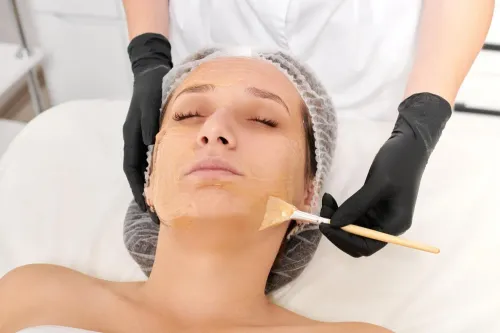
2. During the appointment, expect cleansing, degreasing when appropriate, measured application, and a recorded contact time. The clinician will neutralise or remove the peel when required, apply soothing products, and provide written instructions. Burning, redness, swelling, scaling, or crusting can occur, but peeling does not prove the treatment worked.
3. Aftercare can include gentle cleansing, prescribed moisturiser, sunscreen, and avoiding heat, swimming, direct sun, picking, forced peeling, and active ingredients for the stated period. Ask how long to avoid waxing, shaving, and each product. Report worsening pain, spreading redness, pus, fever, blistering, severe swelling, or persistent colour change.
4. Superficial peels often require a course, with intervals set by the clinician and results assessed between sessions. Medium-depth peels reach the papillary dermis, while deep peels reach the reticular dermis; both are used less frequently and need longer recovery, with greater risks of pigment change, delayed healing, and scarring.
Ask any chemical peel clinic Hinjewadi about downtime and follow-up before booking.
Compare Hinjewadi clinics using a written checklist
Before paying, put the same five questions to every chemical peel clinic in Hinjewadi:
- Who is the registered treating doctor, and who will examine you and perform the peel?
- What diagnosis is being treated: melasma, post-inflammatory hyperpigmentation, acne marks, or another condition?
- Which product, concentration, pH, batch number, and expiry date will appear in your treatment record?
- What depth, downtime, number of sessions, and interval are planned?
- What after-hours contact and emergency referral process applies if pain, blistering, infection, swelling, or colour change develops?
| Compare | Stronger clinic | Warning sign |
|---|---|---|
| Diagnosis | Explains recurrence of melasma or pigmentation and checks whether a peel is the wrong first treatment | Books treatment from a photograph or price alone |
| Risk discussion | Covers post-inflammatory hyperpigmentation and hypopigmentation, especially for easily tanning skin | Promises a fixed result after one session |
| Treatment plan | Records the product and sets realistic sessions, recovery, and follow-up | Pressures you into a package |
| Transparency | Shows the product details and explains emergency escalation | Refuses to disclose the product |
Use this checklist when reviewing Skin Harmony -Trusted Skin Clinic | 08048056382 at WellCare Forever, upper Ground floor, Treza Business Hub, Maharashtra, alongside other local providers. A skin specialist in Hinjewadi should earn your choice through documented assessment and follow-up, not a before-and-after photograph or the lowest quoted price.
Related service
PIGMENTATION Medical solution- used in treatment of acne, pigmentation, antiaging View service → |
Frequently asked questions
How can you verify a skin specialist in Hinjewadi before booking a chemical peel?
Confirm that the treating clinician is a dermatologist, then check the doctor’s registration and dermatology qualification through the National Medical Commission’s Indian Medical Register.
What should a consultation diagnose before a chemical peel?
The consultation should identify the cause of your concern, such as acne, post-inflammatory pigmentation, melasma, or another condition, before selecting treatment.
How do you choose the right chemical peel?
Match the peeling agent, concentration, and depth to your diagnosis, skin type, treatment goal, and tolerance for recovery time.
What should you compare when choosing a chemical peel clinic in Hinjewadi?
Compare dermatologist credentials, diagnostic consultation, product details, hygiene, preparation instructions, aftercare, emergency access, and written pricing.
Keywords