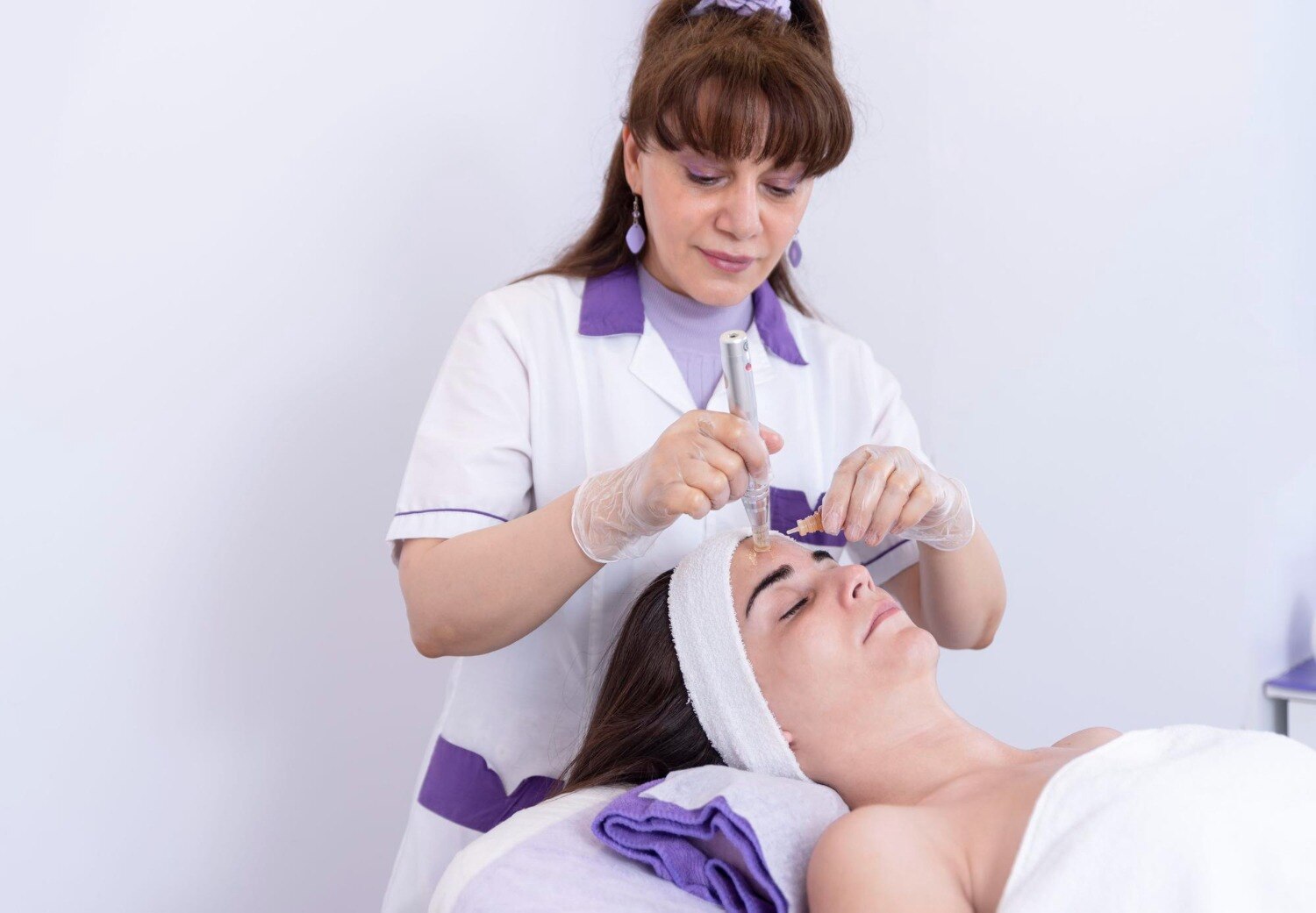
The right peel depends on what caused the pigmentation, where it appears, and how deeply the pigment sits—not simply on how dark the patch looks. By comparing acid types, treatment risks, preparation, recovery and alternatives, you can identify the questions to ask a clinician before choosing a pigmentation treatment in Waka.
Key takeaways
- Get the pigmentation diagnosed before choosing a peel.
- Match the acid and strength to pigmentation depth and skin type.
- Expect sunscreen, gentle skincare and strict aftercare during recovery.
- Compare clinician credentials, diagnosis, product details and follow-up before booking.
Is the pigmentation suitable for a chemical peel?
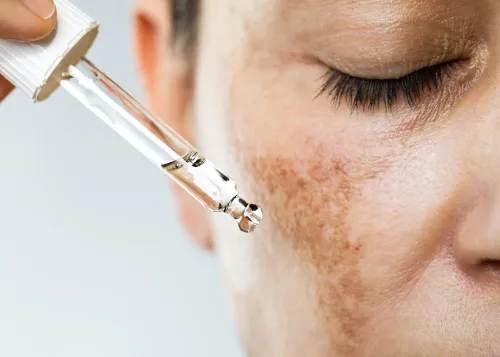
A superficial peel is appropriate only when a clinician has identified the cause and likely depth of the dark patch. Colour alone cannot tell you whether it is epidermal pigmentation, melasma, post-inflammatory hyperpigmentation, a lentigo, medication-related pigmentation or a lesion needing medical assessment.
Before choosing a chemical peel Waka option, expect these checks:
1. The clinician examines the patch, its borders and your history of acne, eczema, friction, sun exposure and new medicines. A changing, irregular or unexplained mark may need a different assessment, including biopsy, rather than cosmetic treatment.
2. Treatment is postponed for active dermatitis, infection, open skin or recent sunburn. These conditions increase irritation, delayed healing and the chance of darker marks.
3. You disclose retinoids, benzoyl peroxide, exfoliating acids, waxing, laser treatments and recent procedures. Combining irritation from these with a peel can cause a burn or worsen pigmentation.
4. The plan accounts for your skin tone and history of dark marks after inflammation. A conservative strength and small test area are important for deeper skin tones or pigment-prone skin, especially before a Jessner-type peel.
Melasma deserves particular caution because ultraviolet and visible light can bring it back, while the peel itself can trigger more pigment. Daily broad-spectrum sunscreen, sun avoidance and prescribed pigment control belong in the plan. A pigmentation treatment Waka search should therefore prioritise diagnosis, preparation and follow-up—not an acid name alone.
Which acid fits each pigmentation pattern and skin type?
The question behind “which chemical peel for option fits pigmentation concerns waka” is whether the mark is superficial and whether your skin tolerates irritation. Face and body choices differ: facial skin needs tighter control, while thicker body skin can still darken after friction or inflammation.
| Option | Best fit | Skin and pattern |
|---|---|---|
| Glycolic acid | Mild sun spots, post-acne marks and epidermal facial or body discoloration | Normal or oily skin; use conservative strength on sensitive or darker skin because stronger concentration and longer contact can trigger post-inflammatory hyperpigmentation |
| Salicylic acid | Post-acne pigmentation with clogged pores, blackheads or oily skin | Oil-soluble and follicle-focused; not the right answer for dry skin alone or deep-looking pigment |
| Lactic acid | Mild uneven tone, dryness-related dullness and friction darkening on areas such as elbows or underarms | Dry or sensitive skin often tolerates it better, but patch testing still matters |
| Jessner-type peel | More persistent superficial discoloration after a clinician confirms the diagnosis | Can irritate more than a single acid; use cautious protocols and a test area, especially on darker skin or skin that forms dark marks easily |
Melasma needs special caution: a peel can support a diagnosed treatment plan but can also worsen it, so medication and strict sun protection may come first. Acanthosis nigricans needs medical assessment rather than cosmetic peeling alone. Skip any option for active dermatitis, infection, open skin, recent sunburn or pigment that looks deep or unexplained.
Compare chemical peel options waka by diagnosis, test-spot policy and the plan for pigment complications.
What happens before and during a pigmentation peel appointment?
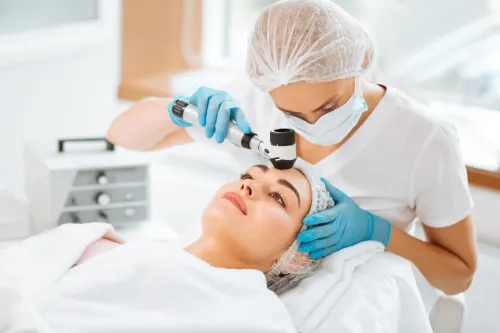
A proper consultation comes before any acid touches your skin. The clinician should examine the patch, ask when it appeared, and distinguish melasma, post-inflammatory hyperpigmentation, lentigines, medication-related pigmentation and lesions needing medical assessment. If you search skin specialist waka, compare how carefully the diagnosis is made, not just the advertised peel.
- Bring a list of medicines and products, including retinoids, benzoyl peroxide, exfoliating acids and bleaching creams.
- Report recent waxing, laser treatment, injections, sunburn, dermatitis, infection or open skin. Your clinician may delay treatment or adjust products to reduce irritation and post-inflammatory hyperpigmentation.
- Ask whether a test area is appropriate, especially if you have darker skin or develop dark marks after small injuries.
- Arrive without applying makeup or active skincare unless the clinic instructs you otherwise.
| Stage | What happens | What you should notice |
|---|---|---|
| Assessment | The clinician checks the colour, borders and distribution of the pigmentation. | A peel is postponed if the cause is unclear or the skin barrier is inflamed. |
| Preparation | Skin is cleansed and degreased; protective ointment covers the eyes, lips and nostril edges. | Stinging skin, broken areas or untreated infection should stop the procedure. |
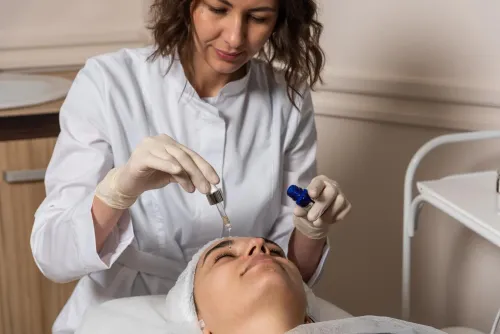
| Application | The chosen solution is brushed on for a measured contact time, then neutralised or removed when required. | Mild tingling, warmth, tightness or temporary redness is expected. |
| Immediately after | The skin is assessed before you leave, and aftercare and warning signs are explained. | Intense burning, swelling, blistering or severe pain needs prompt medical review. |
How many sessions are needed, and what should recovery look like?
Plan on a series rather than a single appointment: many superficial peels are spaced about 2–4 weeks apart, with the exact number set by the diagnosis, acid and skin response. Subtle fading often appears after 1–2 sessions, while clearer improvement takes several weeks. Melasma and post-inflammatory pigmentation can return without ongoing maintenance.
| Option | Early recovery | Expected pigment change |
|---|---|---|
| Superficial glycolic, lactic or Jessner-type peel | Stinging, redness, dryness and light peeling for several days | Gradual change across a treatment series |
| Salicylic acid peel | Tightness, dryness and flaking, especially on oily areas | Progressive fading of suitable epidermal marks |
| Deeper-looking or uncertain pigmentation | Recovery and treatment plan vary after diagnosis | A peel may be unsuitable; medication, microneedling, laser or biopsy may come first |
Protect the treated skin from ultraviolet and visible light throughout recovery. Apply broad-spectrum SPF 30 or higher every morning, reapply every two hours outdoors, wear a wide-brimmed hat and avoid deliberate tanning. Tinted sunscreen containing iron oxides helps with visible-light exposure, particularly for melasma.
Do not pick peeling skin, wax the area or restart retinoids, benzoyl peroxide or exfoliating acids until the clinician confirms healing.
For a chemical peel Waka search or pigmentation treatment Waka consultation, seek medical review promptly for:
- Increasing pain instead of steady improvement
- Blisters, marked swelling or spreading redness
- Pus, fever or worsening tenderness
- Darkening or light patches that continue to worsen after peeling ends
What should you compare before booking a peel in Waka?
Compare plans by asking what caused the pigmentation, how deep it appears, and what happens if a peel is not the safest first step. A skin specialist in Waka should examine the area rather than choose an acid from the patch’s colour alone.
| Question to ask | A useful answer includes | Warning sign |
|---|---|---|
| What is the diagnosis? | Melasma, post-inflammatory hyperpigmentation, lentigo, medication-related pigmentation, or a condition needing assessment | “All dark patches respond the same way” |
| Why this peel and strength? | The acid, concentration, face or body use, session interval, and reason it fits your skin type | A fixed protocol for every patient |
| How will you reduce pigment-change risk? | Medication review, stopping retinoids, benzoyl peroxide, acids, waxing or laser at the right time, plus sunscreen and aftercare | No preparation, test spot, or sun-protection plan |
| What if a peel is unsuitable? | Topical medication, microneedling, laser, observation, or biopsy when the diagnosis is uncertain | Pressure to book immediately |
Ask whether recent tanning, sunburn, eczema, infection, open skin, or active inflammation delays treatment. If you have Fitzpatrick skin type IV–VI or previous post-inflammatory hyperpigmentation, ask about lower strength, preconditioning, longer intervals, and a test spot; these reduce risk but cannot remove it.
When comparing chemical peel options in Waka, Skin Harmony -Trusted Skin Clinic | 08048056382 should explain these trade-offs clearly, not promise pigment removal. For melasma, ask how topical treatment and daily photoprotection fit alongside—or instead of—repeated peels.
Related service
PIGMENTATION Medical solution- used in treatment of acne, pigmentation, antiaging View service → |
Frequently asked questions
Is all facial pigmentation suitable for a chemical peel?
No. A clinician must identify the cause and depth first because melasma, post-inflammatory hyperpigmentation, lentigines, medication-related pigmentation and suspicious lesions need different management.
Which chemical peel fits different pigmentation patterns and skin types?
The choice depends on the diagnosis, skin type, pigmentation depth and risk of post-inflammatory hyperpigmentation. A clinician may consider superficial acids such as glycolic, lactic or salicylic acid, but concentration and suitability require assessment.
What happens before and during a pigmentation peel appointment?
The clinician reviews your skin history, medicines, previous reactions, pigmentation pattern and current skincare. They examine the area, explain risks and aftercare, then cleanse the skin and apply the selected peel for a controlled contact time.
How many chemical peel sessions are needed for pigmentation?
The number depends on the pigmentation diagnosis, peel depth and response. Superficial peels are commonly planned as a series with recovery between appointments rather than repeated immediately.
What should recovery after a pigmentation peel look like?
Mild redness, tightness, dryness and peeling can occur after a superficial peel. Use the prescribed gentle cleanser, moisturiser and broad-spectrum sunscreen, and do not pick or manually remove peeling skin.
Keywords